
Curious Minds Start With Play
Young children are born curious, and play is the language they use to investigate their world. In high-quality preschool and early childhood settings, play-based learning is not a break from real learning; it is the engine that drives it. When children pour sand, line up toy cars, or pretend to be veterinarians, they are building powerful mental connections. These playful experiences strengthen brain pathways for attention, memory, and flexible thinking that last well beyond the preschool years. By honoring play as serious work, educators and families plant the seeds for lifelong curiosity and a genuine love of learning.
Play-based learning also respects the way preschoolers process information, moving naturally between movement, talking, and quiet observation. Instead of asking children to sit still and absorb facts, we invite them to explore materials, ask questions, and test ideas. This active approach helps children feel capable and competent, which fuels their desire to learn more. When they see that their ideas matter and their experiments are valued, they are more willing to take healthy risks in thinking. Over time, this sense of confidence and agency becomes the foundation for curious, self-directed learners in elementary school and beyond.
Curiosity Begins With Hands-On Exploration
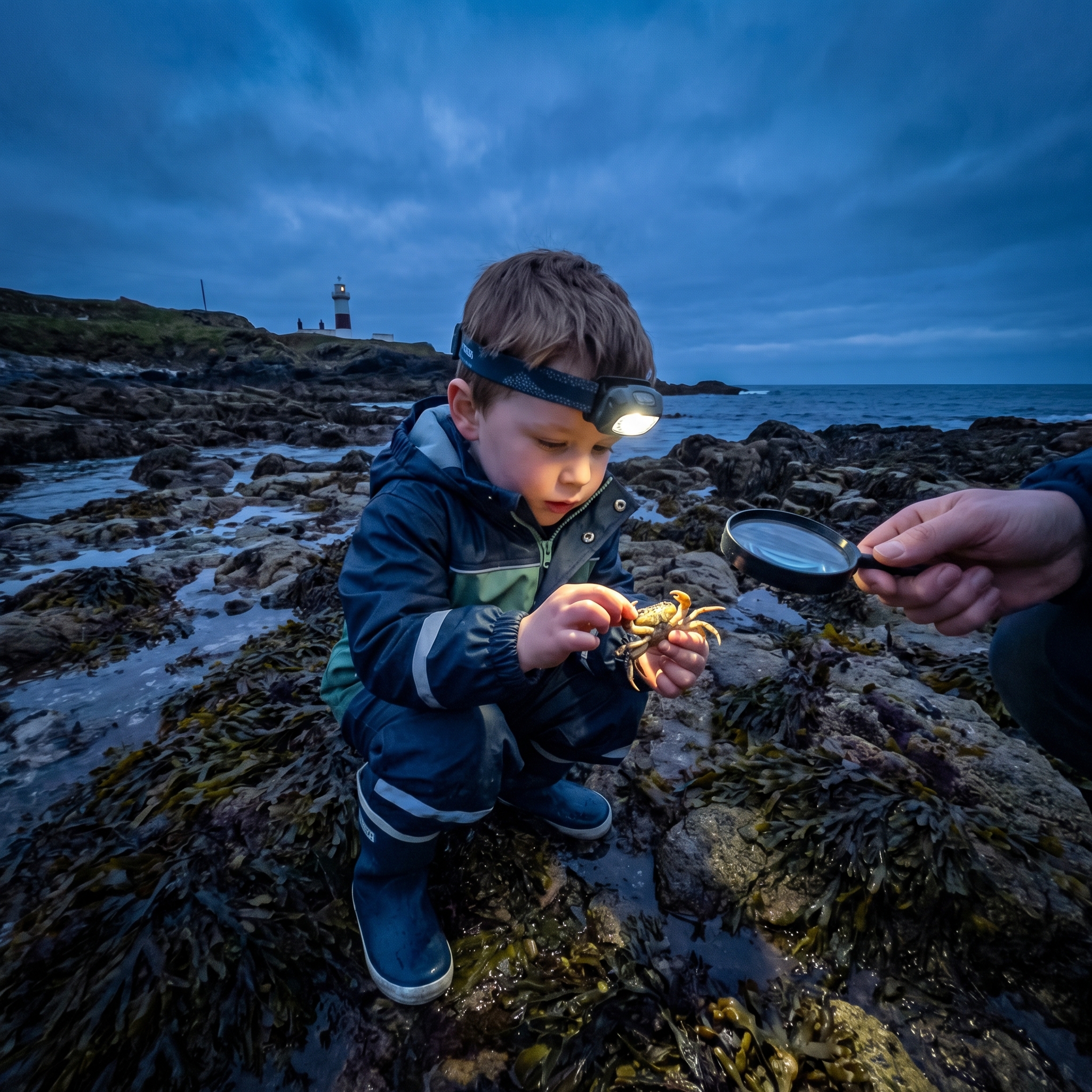
Hands-on exploration gives preschoolers a safe way to investigate cause and effect, which strengthens their natural curiosity. When a child discovers that pressing a sponge makes water drip or that mixing two paint colors creates a new shade, they experience real-world evidence of their own thinking. These concrete discoveries help children build early scientific habits such as observing closely, predicting outcomes, and testing ideas. Rather than memorizing answers, they become investigators who look for patterns and ask what might happen next. This type of thinking leads directly to more complex problem-solving skills in the later school years.
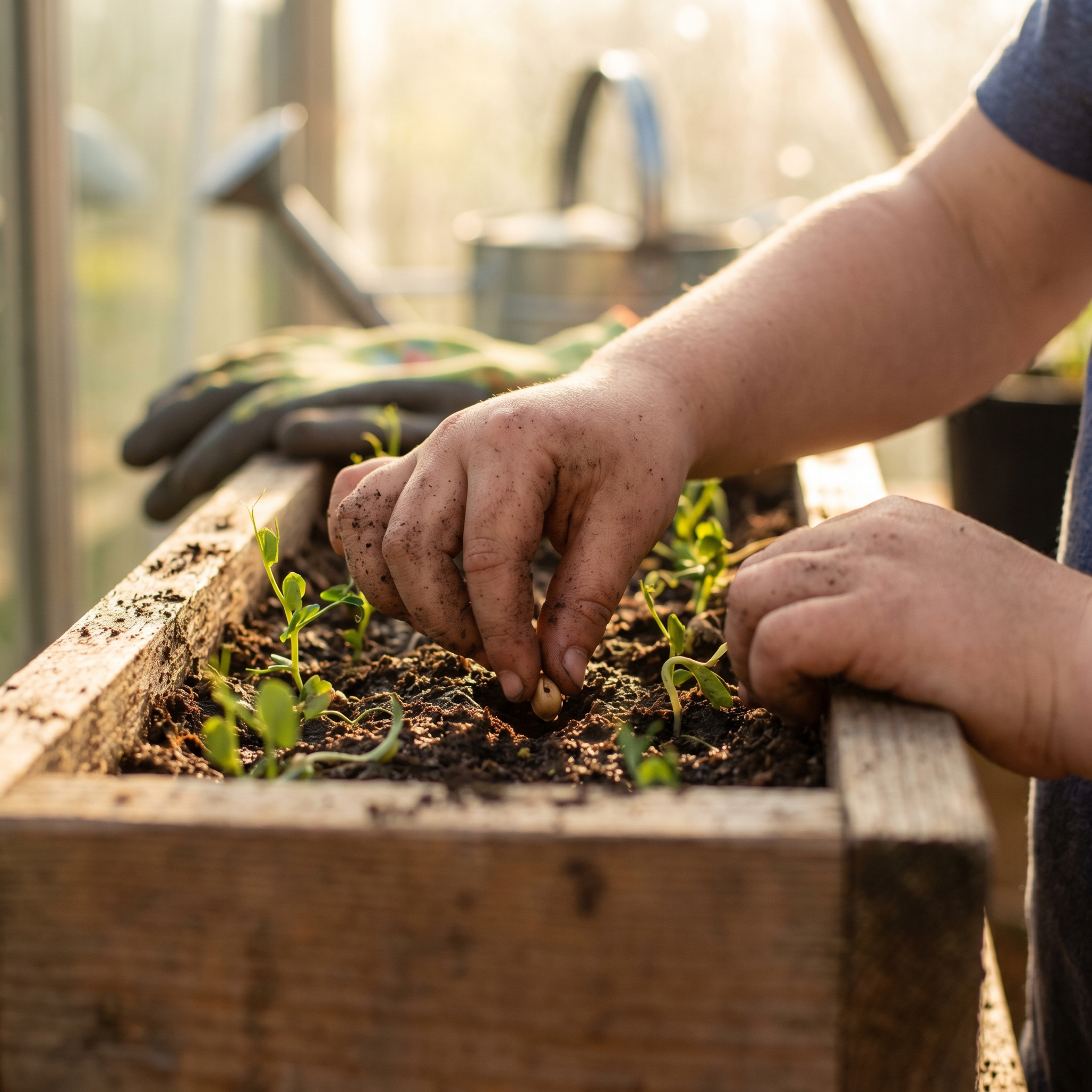
Effective play-based classrooms are rich with open-ended materials that can be used in many different ways. Items such as blocks, loose parts, clay, and natural materials invite children to touch, sort, stack, and compare. Each time a child revisits the same materials, they notice something new and ask fresh questions, deepening their curiosity. Educators can extend this thinking by narrating what they see and posing gentle, open-ended prompts. Over time, children learn that everyday objects can be explored again and again, and that asking questions is not just allowed, but celebrated.
Language and Early Literacy Through Pretend Play
Pretend play creates a powerful bridge to language and early literacy skills while keeping curiosity at the center. When children play restaurant, doctor, or space station, they naturally use new vocabulary, storytelling, and negotiation. They experiment with sentence structure, role-specific words, and expressive tone long before they formally read or write. This rich language practice builds background knowledge that later helps them comprehend stories and informational texts. As children act out scenarios, they wonder what might happen next, strengthening the curiosity that motivates them to listen closely and share their ideas.
Early childhood educators can weave literacy tools directly into pretend areas without interrupting the flow of play. Menus in the play kitchen, appointment pads in the doctor corner, and labels on shelves invite children to notice and use print in meaningful ways. Children may not read every word, but they learn that symbols carry information and that print is all around them. When teachers model using these materials, they show how reading and writing help answer questions and solve small problems. This connection helps children view literacy as a helpful tool for exploring their interests, rather than a separate, adult-directed task.
Building Early Math and Science Thinking in the Block Area
The block area is a quiet powerhouse for early math and science learning that springs directly from child-led curiosity. As children build towers, bridges, and cities, they explore shape, size, balance, and quantity. They compare lengths, count blocks, and notice which structures are sturdier, all through playful experimentation. When a tower falls, children are motivated to figure out why and to test a new design, demonstrating real problem-solving. These experiences lay important groundwork for later understanding of measurement, geometry, and basic physics concepts.
Educators can support this natural math and science thinking with careful observation and timely questions. Asking children how they decided to arrange the blocks, or what they might change to make a ramp steeper, invites them to reflect on their choices. Offering simple tools such as measuring tapes, small cars, or clipboards adds layers of investigation without taking control away from the child. Children begin to see themselves as builders and thinkers who can plan, test, and revise ideas. This identity as capable problem solvers encourages them to approach future math and science challenges with confidence and curiosity.
Social-Emotional Growth Hidden Inside Simple Games
Play-based learning also strengthens social and emotional skills, which are essential for sustaining curiosity over time. Board games, movement games, and simple turn-taking activities teach children how to manage frustration, wait patiently, and celebrate others successes. When children feel safe, understood, and connected to peers, they are more willing to take intellectual risks. Instead of shutting down when something is hard, they are more likely to try again or ask for help. These social-emotional strengths protect curiosity, even when learning tasks become more complex.
During play, children practice reading facial expressions, interpreting tone, and solving small conflicts, all within a supportive environment. Educators can coach children through disagreements by helping them label feelings and brainstorm solutions. Over time, children recognize that challenges are a normal part of learning, not a reason to give up. This mindset helps them stay engaged, ask for another turn, or try a new strategy when the first one fails. As they grow, this resilience translates into a persistent, curious approach to schoolwork and life.
Designing a Classroom That Invites Curious Play
The physical environment of a preschool classroom has a powerful impact on how children play and how curious they feel. Spaces that are organized, welcoming, and filled with accessible materials send a clear message that exploration is encouraged. When shelves are open and labeled, children can independently choose materials, boosting their sense of ownership and decision-making. Well-defined areas for blocks, art, dramatic play, and quiet reading help children understand that different kinds of learning are valued equally. This thoughtful design makes it easier for children to move from one interest to another, following their own questions.
Rotating materials regularly and incorporating natural elements can further spark curiosity. Simple changes like adding magnifying glasses, pinecones, or new recycled materials encourage children to look more closely and ask new questions. Displaying childrens work at eye level shows that their ideas are important and worth revisiting. When teachers plan the environment with intention, they create daily invitations to investigate, compare, and imagine. In this kind of classroom, curiosity is not an occasional event but a constant, gentle hum in the background of every activity.
Partnering With Families to Extend Play-Based Learning at Home
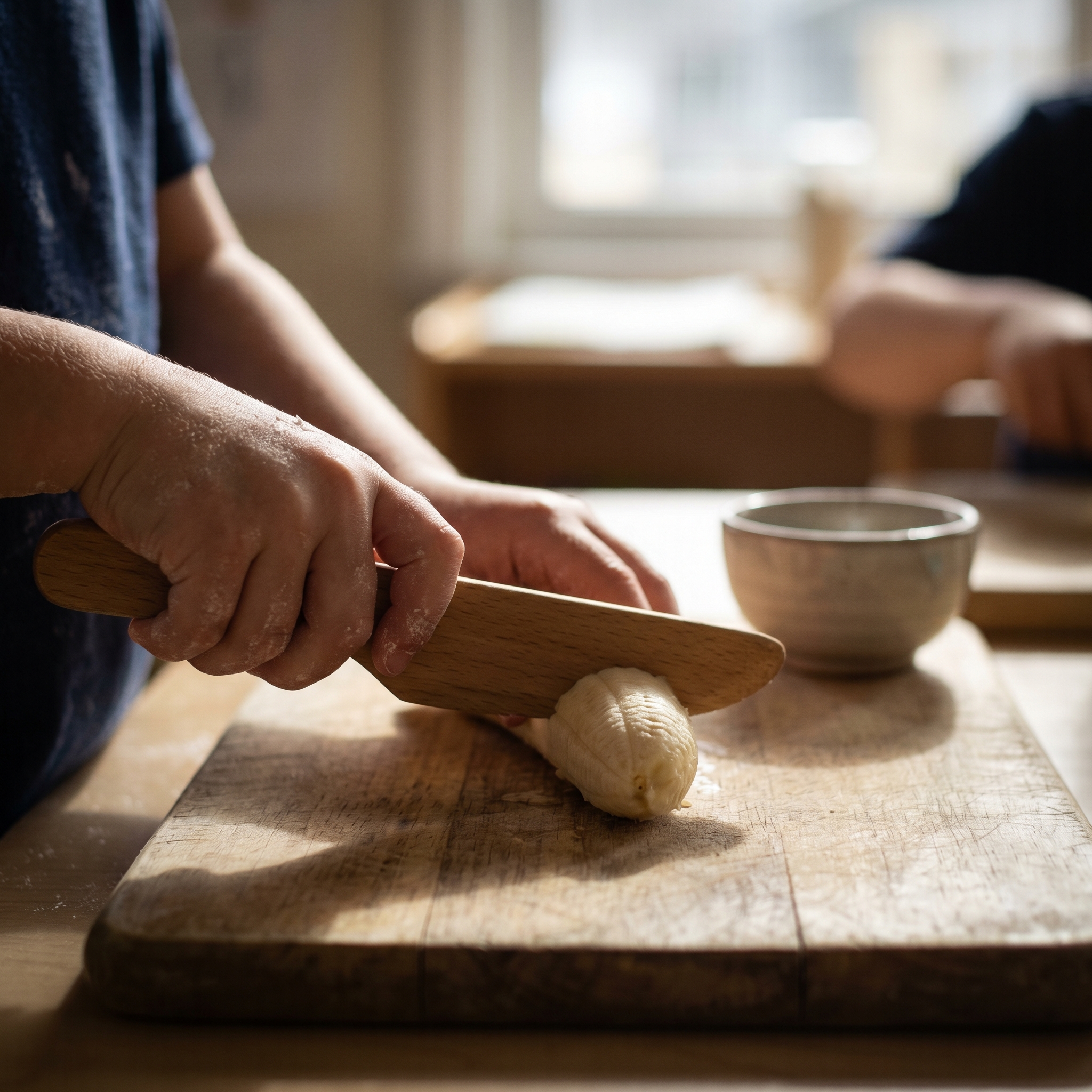
Family partnerships are essential for extending the benefits of play-based learning beyond the classroom walls. When families understand that play builds strong foundations for curiosity, they are more confident supporting playful learning at home. Educators can share simple ideas that fit into daily routines, such as sorting laundry by color, counting steps on the way to the car, or telling stories at bedtime. These activities do not require special toys, but they invite children to notice patterns, ask questions, and share their thinking. This shared understanding between home and school creates a consistent message that curiosity is valued everywhere.
Regular communication, whether through newsletters, conferences, or informal conversations, helps families see the learning inside play. Photographs of classroom activities, paired with short explanations, can highlight the skills children practice while they build, pretend, or paint. When families see these connections, they often begin to share their own ideas and observations, creating a rich exchange around play. Children benefit from hearing similar messages about learning from the adults they trust most. Over time, this shared commitment to playful exploration supports children in becoming curious, confident learners in every setting.