
Growing Confidence Starts With What Children Hear and What They Try
Confidence in preschool does not appear overnight, and it is not something adults can simply tell children to have. It grows quietly as children hear encouraging words and have chances to explore their world in their own way. When children feel safe to experiment, make mistakes, and try again, they begin to believe in their own abilities. This belief becomes the foundation for taking on new challenges in kindergarten and beyond. In early childhood classrooms, every interaction and invitation to explore can either strengthen or weaken that foundation.
Early educators are uniquely positioned to shape these everyday experiences with intention and care. The way we set up environments, respond to small efforts, and handle setbacks sends strong messages about what children are capable of. Families are powerful partners in this process, because confidence grows fastest when children receive similar messages at home and at school. By combining consistent encouragement with thoughtful opportunities for exploration, we create a steady pathway toward self-assured, resilient learners. That pathway is built one routine, one activity, and one caring response at a time.
Encouragement That Builds Self-Belief, Not Pressure
Not all praise grows confidence; some praise can actually make children afraid to fail. When children hear only outcome-focused comments like “You are so smart,” they may begin to avoid challenges that could change that label. In contrast, encouragement that highlights effort, strategies, and persistence teaches children that improvement is within their control. Saying “You kept trying different ways to stack those blocks” shows them that their actions made the difference. Over time, this type of feedback helps children see themselves as capable learners who can tackle new tasks.
Encouragement is also powerful when it leaves room for children’s own feelings and reflections. Instead of instantly declaring “Great job,” educators can pause and ask, “How do you feel about what you built?” to invite self-evaluation. This simple shift teaches children to look inward for validation, rather than always waiting for adult approval. When mistakes happen, calm responses like “Everyone spills sometimes; let’s clean it up together” communicate that errors are normal, manageable parts of learning. These messages lay the emotional groundwork for children to explore without fear of embarrassment.
Designing Classrooms for Safe Exploration
Classroom environments speak loudly to young children about what is allowed and what is valued. A room where materials are locked away or only used under strict adult control can signal that exploration is risky. By contrast, low open shelves, clearly labeled bins, and sturdy materials within reach invite children to make choices and test ideas. When children know where things are and how to use them, they can move more independently and feel trusted. This independence naturally supports a growing sense of confidence.
Safety remains essential, but it can be balanced with opportunities to stretch skills. Educators can arrange spaces so that more challenging materials are still accessible, yet supervised from a comfortable distance. For example, a small area for building with larger blocks can be positioned where adults can observe and step in if needed. Soft surfaces and clear pathways reduce physical risks while still allowing energetic movement. Predictable routines and visual cues, like picture schedules, also help children feel secure enough to explore new areas of the room.
Inviting Children to Take Smart Risks
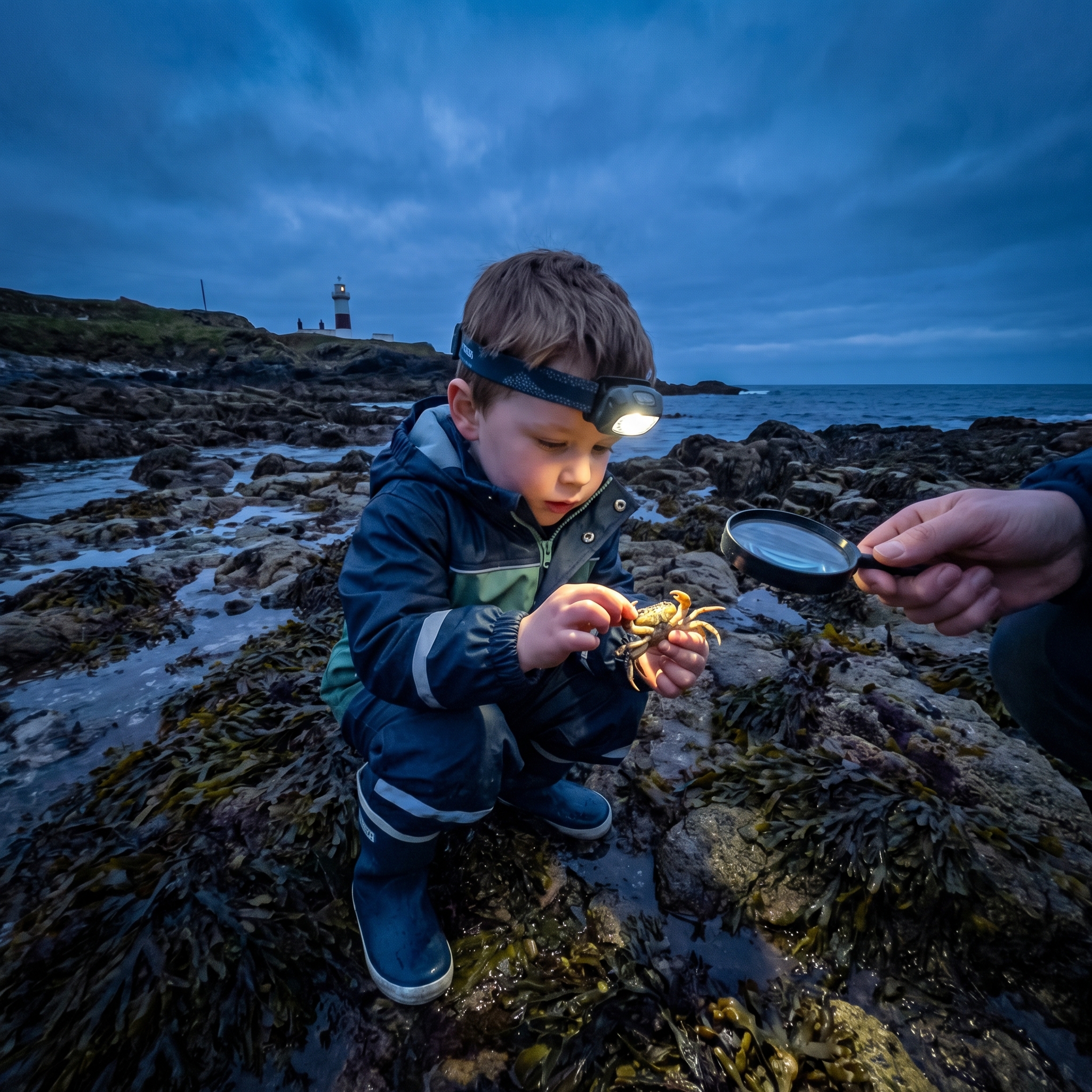
Confidence grows when children try something slightly beyond what they already know they can do. These “just-right” challenges might look like climbing one rung higher on the playground ladder, pouring water into a narrower container, or speaking during group time. Educators can watch closely for moments when a child hesitates but seems curious, then offer gentle support. Phrases like “I am right here if you need me” or “You can put one foot on the next step and see how it feels” acknowledge the risk while honoring the child’s choice. This respectful guidance shows children that feeling unsure is normal and temporary.
It is equally important not to rescue children too quickly from mild frustration. When adults immediately step in to fix a problem, they unintentionally send the message that the task is beyond the child’s ability. Instead, teachers can break challenges into smaller steps and offer suggestions without taking over. Asking “What is one more thing you could try with this puzzle?” encourages problem-solving and persistence. Celebrating the attempt, even if the result is imperfect, reinforces the value of trying. Over time, children begin to approach new tasks with curiosity instead of avoidance.
Using Language That Lets Children Own Their Success
The words adults choose can either center the adult or center the child. Statements like “I am proud of you” are warm, but they focus on the adult’s feelings. Shifting to phrases such as “You worked really hard on that” or “You figured out a new way” focuses attention on the child’s behavior and thinking. This subtle change helps children notice what they did to succeed, making confidence more stable and internal. When children understand the steps that led to success, they are more likely to repeat them in new situations.
Open-ended questions are another powerful tool for building ownership. Asking “What was tricky about that?” or “What helped you keep going?” invites children to analyze their own processes. These questions slow down the moment long enough for reflection, which strengthens learning and memory. Providing wait time after asking a question signals that their ideas matter and are worth considering. As children hear themselves describe their efforts, they begin to see proof of their own growing competence.
Partnering With Families to Nurture Confident Explorers
Children benefit most when families and educators share a common approach to encouragement and exploration. Teachers can support this partnership by sharing simple phrases and strategies that families can use at home. Short notes, conference conversations, or quick doorway chats can highlight how effort-focused language helps children try new things. Examples such as “You practiced zipping your coat three times” are easy for caregivers to adopt. When children hear similar messages in both settings, the lessons about perseverance and capability feel more solid and believable.
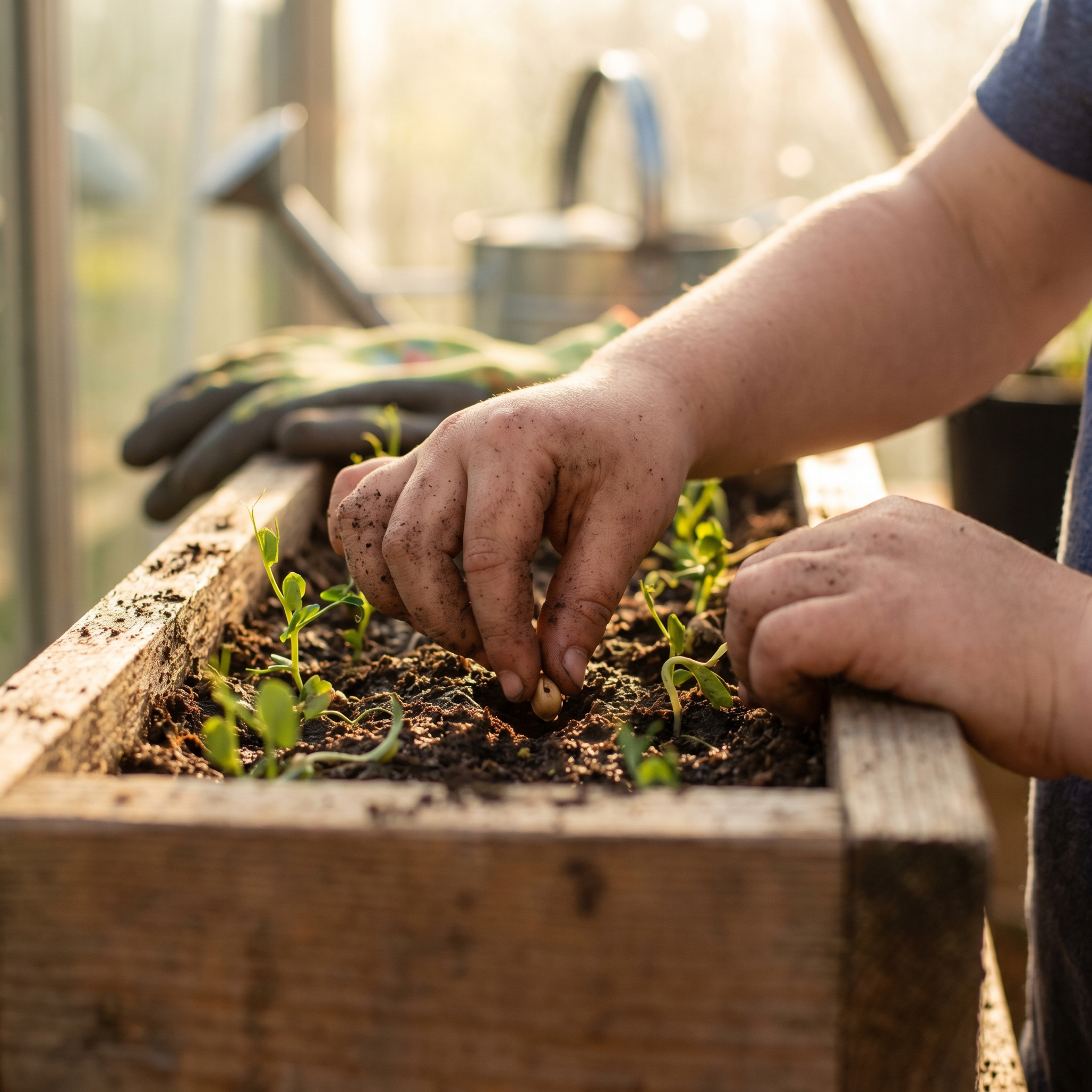
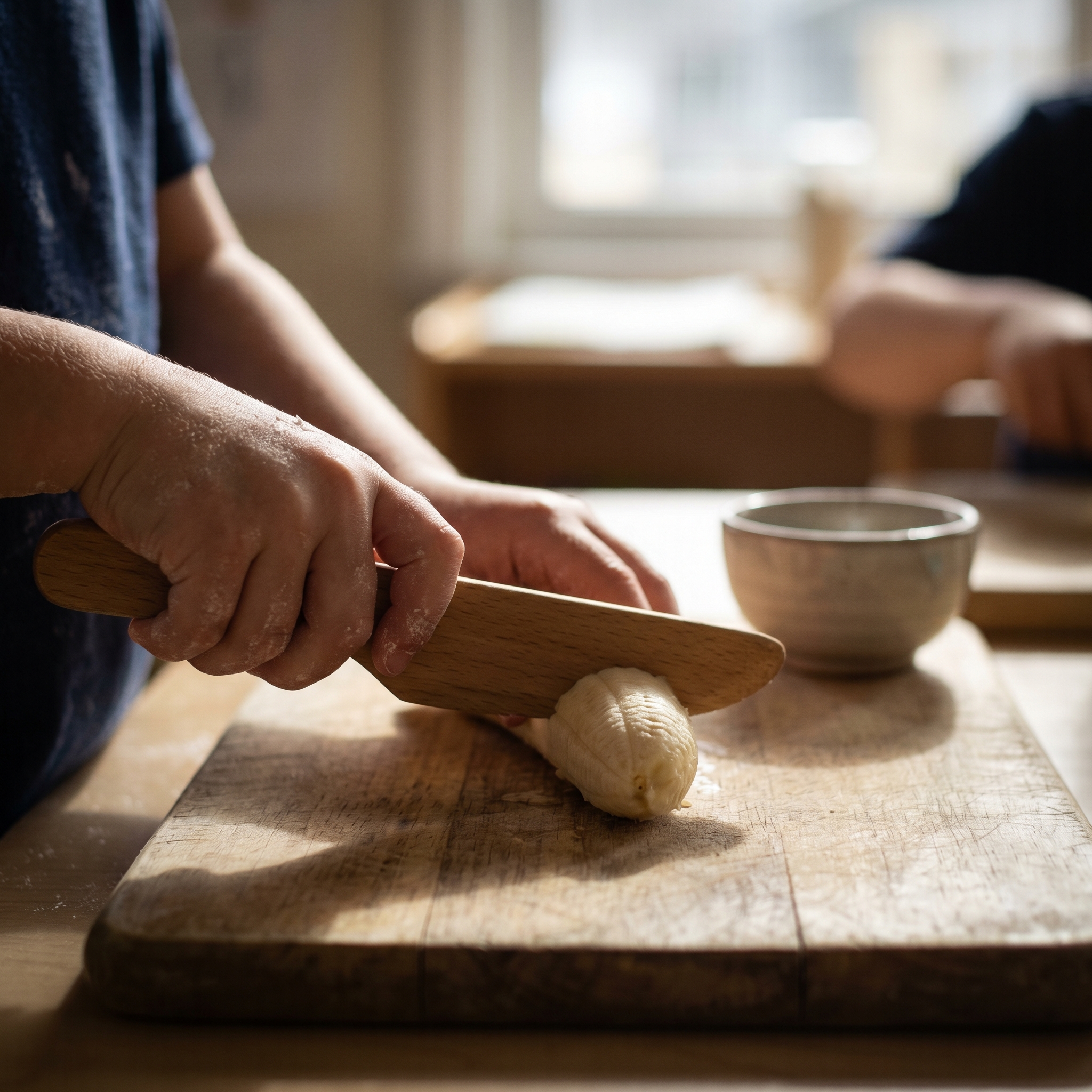
Educators can also invite families to provide opportunities for exploration that fit their routines and resources. Everyday moments like stirring batter, sorting laundry, or tending plants can become confidence-building tasks when adults step back slightly. Suggesting that caregivers let children choose between two safe options, such as which book to read or which snack to prepare, reinforces decision-making skills. Encouraging families to acknowledge small risks, like trying a new food, helps children see themselves as brave in familiar environments. This shared focus creates a consistent, supportive circle around the child.
Small Daily Routines That Quietly Grow Confidence
Some of the strongest confidence-building moments happen during ordinary classroom routines. Arrival time, for example, can include simple jobs children complete on their own, such as hanging up their backpack or placing their name card in a basket. These tasks send a daily message that “You can do important things here.” Transition times offer more chances for responsibility, like choosing a quiet activity while waiting for others to finish. Each successful routine strengthens the child’s sense of competence and belonging.
Classroom roles are another powerful way to nurture confidence through exploration. Rotating jobs like line leader, light helper, or snack assistant invite children to step into new responsibilities. Some may feel nervous the first time, but repeated chances help them grow into the role. When educators notice and describe what children did well in these roles, they highlight real contributions to the group. Over weeks and months, these small experiences add up to children who see themselves as capable, caring, and ready for new adventures.