
Preschool Inclusion Starts With Everyday Moments
In preschool, big ideas about diversity and belonging are learned in tiny, everyday moments. Children watch who is welcomed into play and who is not, whose language is echoed and whose is ignored. They notice which stories, photos, and materials look like them and which feel unfamiliar or even missing. When preschool classrooms celebrate diversity through inclusive learning, every child receives the message that their identity is valued. That message becomes the foundation for empathy, confidence, and a lifelong love of learning.
Building an Inclusive Climate from Day One
An inclusive preschool climate is not created by a single lesson or special theme week. It grows from predictable, caring interactions that show every child they are safe, seen, and respected. Educators can begin by greeting each child individually at the door using their preferred name and pronunciation. Taking time to learn a few key words in children’s home languages helps them feel that their families are welcomed into the classroom community. When adults model curiosity and warmth about each child’s background, children learn to approach differences with interest instead of anxiety.
Classroom agreements are another powerful way to build an inclusive climate from the start. Rather than relying only on posted rules, teachers can co-create simple promises with children using pictures and clear language. Agreements such as “We take turns,” “We use kind words,” and “We listen to each other’s ideas” support diverse learners in understanding expectations. Revisiting these promises during the day helps children see that fairness and respect apply to everyone, not just a few. Over time, these shared commitments shift inclusion from a concept into a daily habit.
Designing Classroom Environments That Reflect Every Child
The physical environment in a preschool classroom speaks loudly about who belongs, even before a teacher says a word. When children see photos of many skin tones, hair textures, body types, and family structures, they understand that there is no single way to look or live. Teachers can invite families to share photos from home and display them at child’s-eye level, creating a living gallery of the class community. Labels and signs in multiple languages signal that all ways of speaking are welcome. When children notice their home language on a cubby or shelf, they often feel proud and eager to show others.
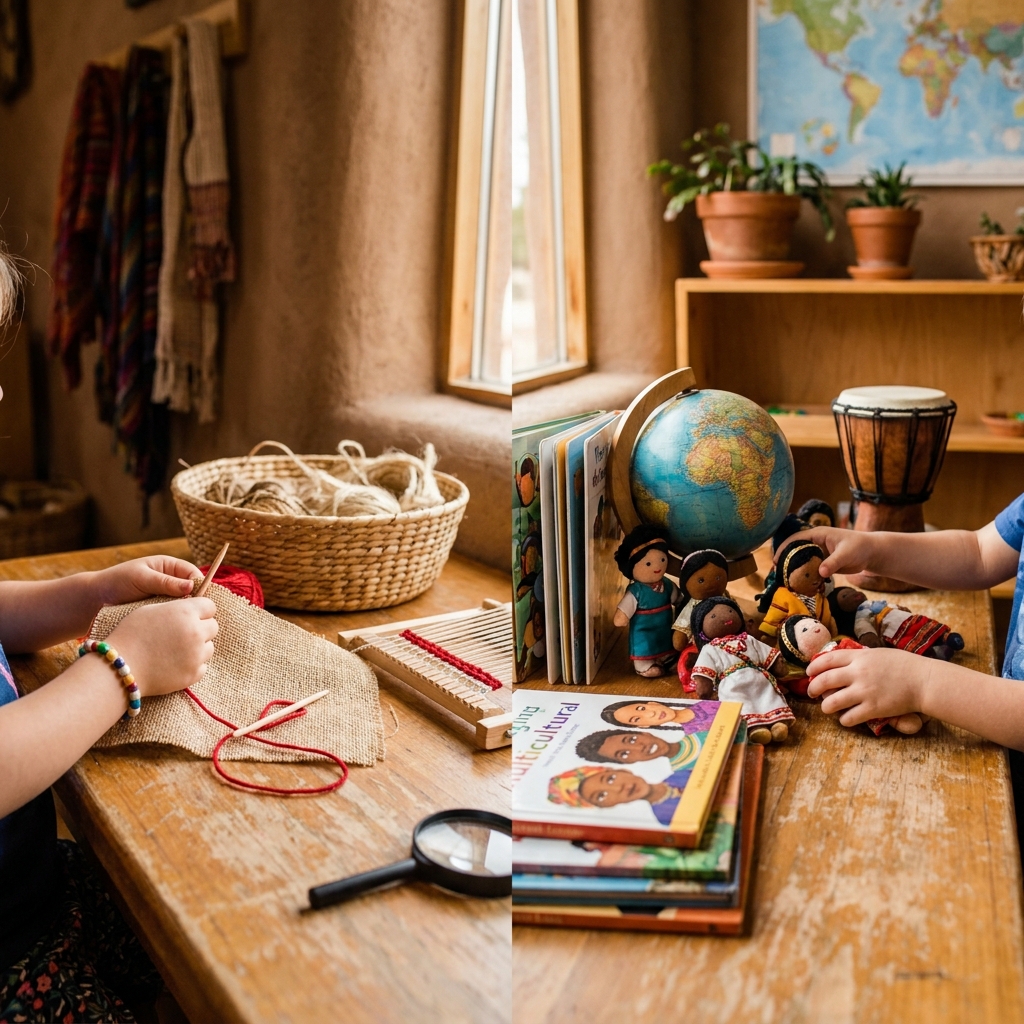
Materials also send strong messages about inclusion. Dolls, figures, and dress-up items can represent a range of cultures, abilities, and roles in the community, including people who use wheelchairs or hearing aids. Art supplies that offer a wide spectrum of skin tones allow children to represent themselves and their peers more accurately. Teachers can regularly review classroom books and toys, asking whose stories are missing or limited. Replacing stereotyped or outdated items with richer options ensures that diversity is shown with respect and nuance. In this way, the environment becomes a quiet but constant teacher of equity.
Inclusive Play Experiences That Invite Everyone In
Play is where children practice social skills, test ideas, and explore identities, which makes it a key space for inclusion work. Educators can intentionally plan activities that allow many entry points so children with different abilities, languages, and experiences can participate fully. For example, an activity can include roles that involve building, talking, sorting, or pretending, so each child finds a way to contribute. Teachers can model simple phrases like “Can I join you?” or “Let’s make room for our friends,” giving children language for welcoming others. When children see that games and materials flex to include them, they learn that inclusion is normal and expected.
Sometimes children need help navigating differences that show up during play. A child might question why a peer wears a head covering, pronounces a word differently, or uses a communication device. Instead of shushing these questions, educators can respond calmly with short, respectful explanations. They might say that families have many ways of dressing, speaking, or communicating, and all of them are okay. Redirecting the group back into cooperative play after a brief explanation keeps the focus on shared fun rather than on someone being “othered.”
Language Habits That Honor Every Identity
The words adults choose in preschool classrooms shape how children think about themselves and each other. Inclusive language starts with learning and using each child’s name correctly, including any cultural or family meanings the name may hold. Teachers can also be mindful about using gender-neutral phrases like “friends” or “children” instead of always saying “boys and girls.” When talking about families, educators can say “grown-ups at home” or “families” rather than assuming every child lives with a mom and dad. These subtle shifts create space for many family structures without singling anyone out.
It is also important to describe differences without assigning value labels. Phrases such as “She talks differently, and that is okay” or “His skin is darker, and skin comes in many colors” give children neutral information. When conflicts arise, teachers can name behaviors instead of characteristics, saying “Throwing blocks is not safe” instead of “You are being bad.” This helps all children, especially those who are frequently misunderstood, feel that they can make better choices rather than being labeled. Over time, children begin to copy this respectful language with their peers, showing empathy and flexibility in their own words.
Partnering With Families as Culture Experts
Inclusive learning in preschool is strongest when families are treated as partners and culture experts. Teachers can invite caregivers to share songs, stories, objects, or traditions that are meaningful at home, while ensuring no one feels pressured to present. Sending home simple questionnaires about languages spoken, celebrations observed, and favorite foods helps educators plan authentic connections. When families see their input reflected in classroom displays or activities, trust grows. This trust makes it easier to talk about children’s needs, strengths, and goals in a culturally responsive way.
Communication strategies also shape how inclusive a classroom feels to families. Providing translated notes when possible, or using visuals and plain language, helps more caregivers stay informed and engaged. Offering flexible ways to participate, such as sending a recorded greeting or a photo from home, respects different schedules and comfort levels. During conferences, educators can ask families what helps their child feel proud and calm, then integrate those ideas into daily routines. When home and school work together, children experience a consistent message that their whole identity is welcome.
Responding to Bias Moments With Preschool-Friendly Tools
Even in caring classrooms, bias moments will appear as children repeat things they hear in the world around them. A child might say that a certain toy is only for one gender or that a peer’s lunch looks strange. Instead of ignoring or scolding, educators can pause and name the problem gently, saying that words can hurt feelings or leave people out. They can then offer a more inclusive idea, such as explaining that toys and colors are for everyone or that many families enjoy different foods. Keeping the tone calm helps children learn without feeling ashamed.
Using simple stories, puppets, or pictures can also help children revisit tricky moments in a safe way. Teachers might create a short routine where a puppet makes an unkind comment and the class practices kinder responses. This approach lets children rehearse inclusive language and problem-solving with some emotional distance. Revisiting these scenarios regularly shows that learning about fairness is an ongoing process, not a one-time correction. With practice, children begin to notice unfair comments on their own and speak up for classmates more confidently.
Keeping Inclusion Alive Through Reflection and Small Adjustments
Creating a preschool classroom that celebrates diversity through inclusive learning is not a project to complete and move on from. It is a cycle of noticing, adjusting, and trying again as children grow and new families join the community. Teachers can set aside brief moments each week to reflect on whose voices were heard, whose stories were centered, and what might need balancing. They might realize that certain cultures are underrepresented in books, that quieter children are not sharing during group times, or that some materials create barriers for children with disabilities. Small, steady changes in response to these reflections keep inclusion real instead of symbolic.
Celebrating progress is just as important as identifying gaps. Educators can acknowledge when children invite others into play, use inclusive language, or show curiosity instead of judgment about differences. Sharing these successes with families helps everyone see the impact of their efforts. Over time, the classroom becomes a place where diversity is not just acknowledged but actively cherished. In such environments, young children learn that there is room for every voice in the circle, including their own.