
Curiosity in Preschool: The Quiet Superpower You Can Build Every Day
Curiosity is the spark that fuels a lifetime of learning, and preschool is where that spark either catches fire or quietly fades. In these early years, children are wired to question, test, and explore every inch of their world. As an educator or busy parent, you do not need elaborate projects or expensive materials to support this. You need clear routines, intentional choices, and a commitment to taking children’s questions seriously. When curiosity is treated like a skill we coach and practice, not a distraction to manage, children grow into confident, self-driven learners.
From Endless Questions to Lifelong Learners
Young children do not ask endless questions to stall your day; they are building a mental map of how the world works. Every “Why?” is a small workout for their brain, strengthening attention, memory, and problem-solving. When adults respond with patience and interest, children learn that questions are valuable, not annoying. Over time, they begin to ask better questions, compare ideas, and look for patterns on their own. Those are the exact habits that support reading, math, and critical thinking later in school.
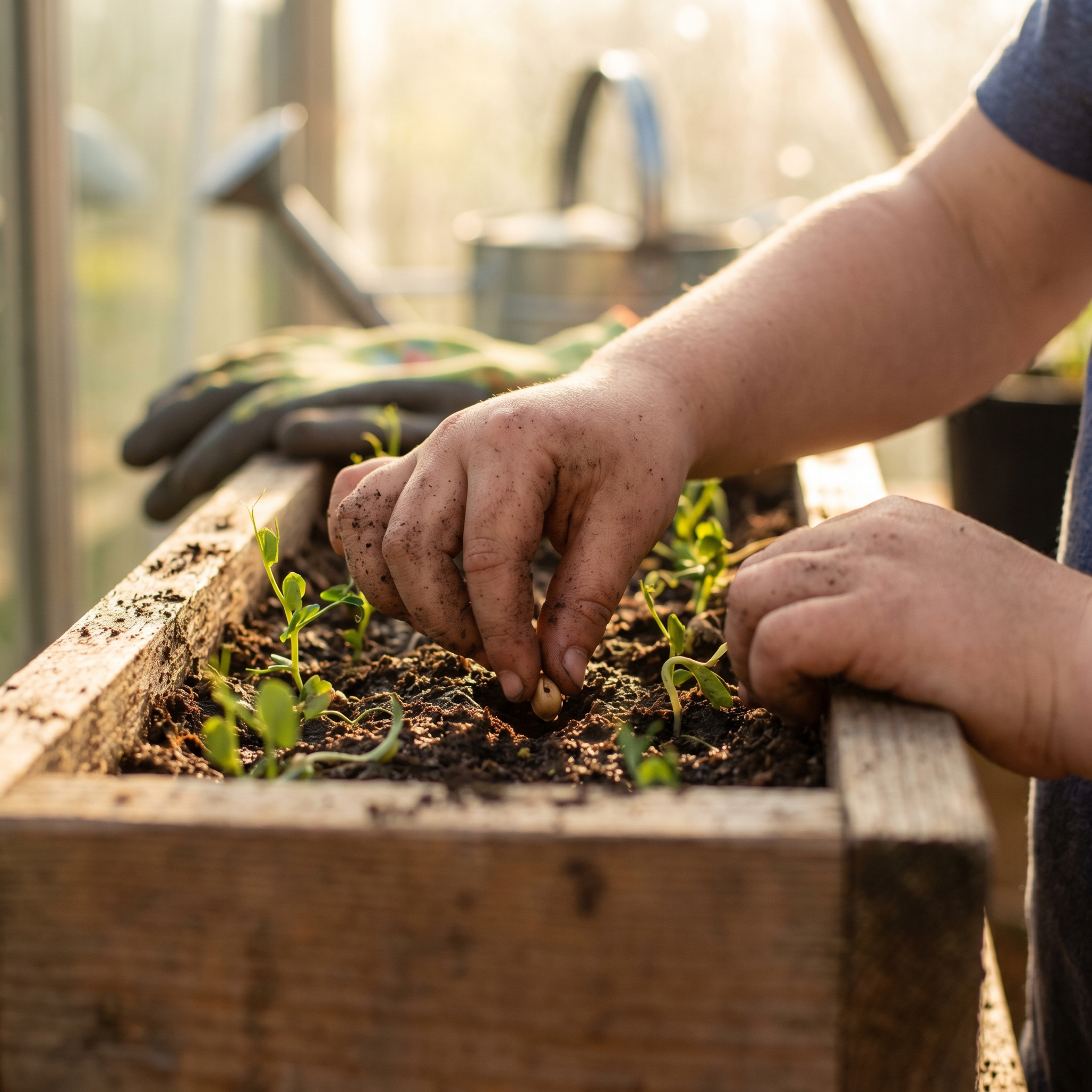
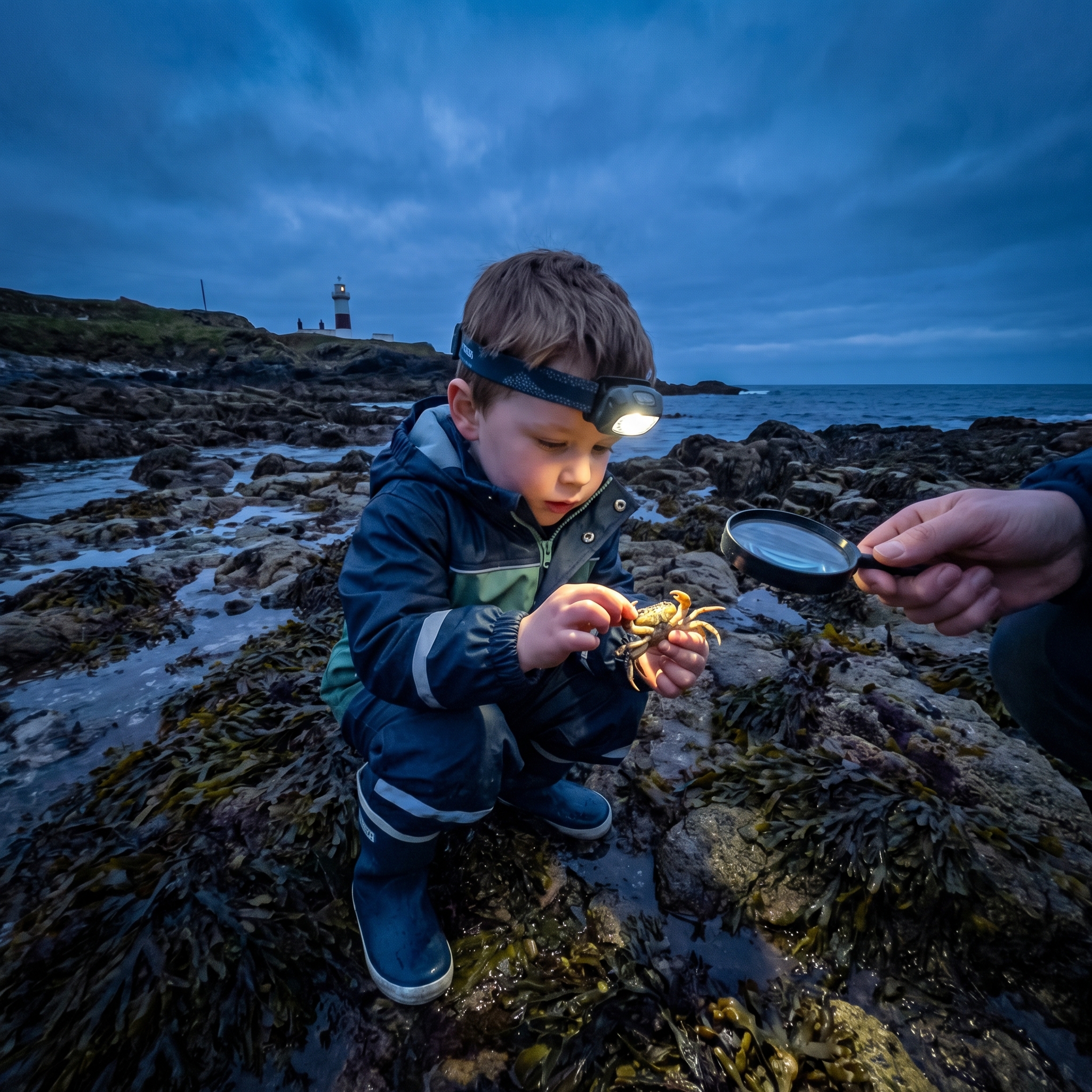
Curiosity in preschool does not always look like a child sitting quietly, thinking profound thoughts. It often looks messy, noisy, and very physical as children touch, pour, stack, and repeat. You will see curiosity when a child returns to the same puzzle every day to try a new strategy. You will see it when they mix every paint color just to see what happens. You will even see it in the child who keeps dropping spoons at lunch, testing gravity one crash at a time.
Designing Classrooms That Invite Questions, Not Just Compliance
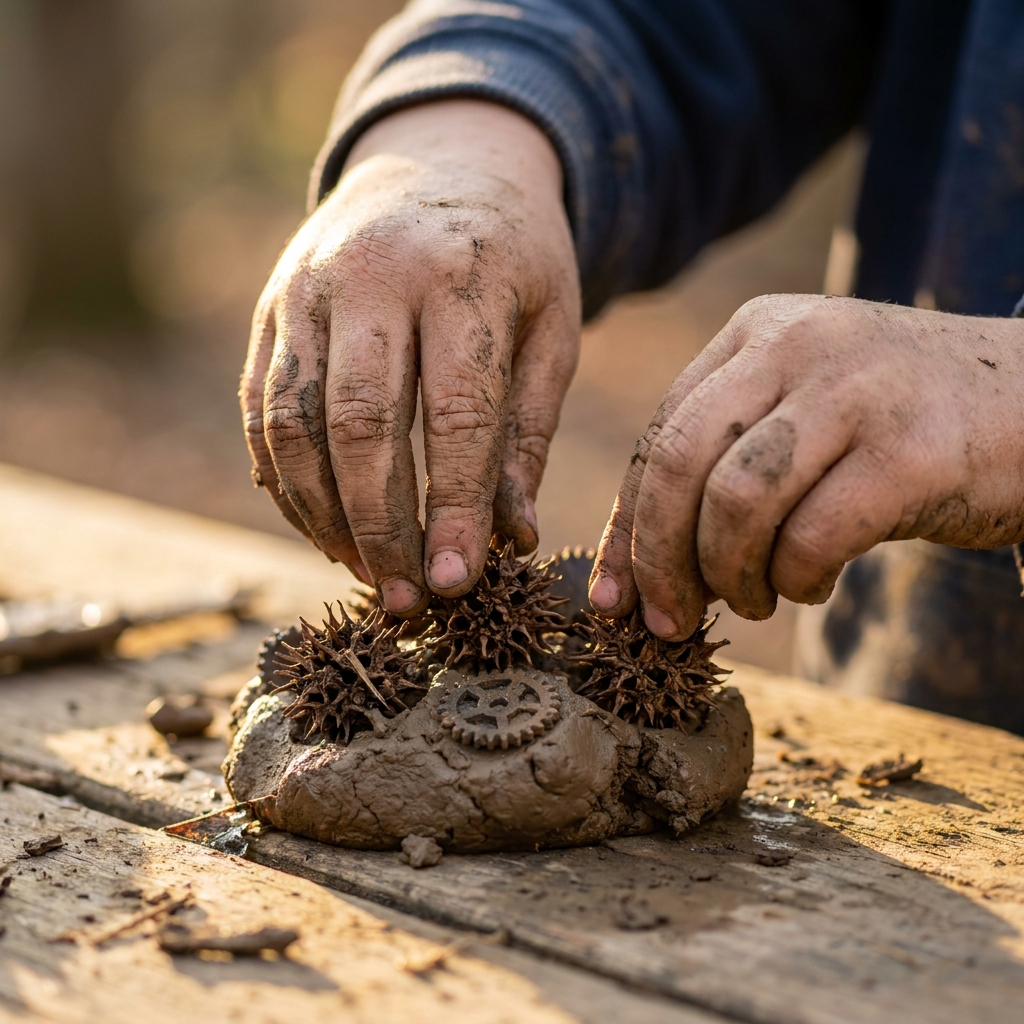
A curious classroom is not the same as a perfectly tidy one. Instead of displaying only finished products, create spaces where children can see materials in action and wonder what they could do next. Open shelves with reachable, clearly labeled bins invite children to choose, combine, and return items independently. Natural light, mirrors, and simple provocations, like a tray of pinecones and magnifying glasses, signal that exploration is welcome. When the environment is predictable but flexible, children know they are safe to experiment and take small risks.
You can design for curiosity by making a few deliberate, low-effort changes to your space. Begin by reducing visual clutter so children can actually notice the materials that matter. Then, add small, open-ended invitations in different areas, such as:
- A basket of measuring cups in the sand table to test capacity and volume.
- Loose parts, like buttons and fabric scraps, near the block area for children to extend their building.
- Clipboards and pencils in every corner so children can draw, list, or “take notes” on what they see.
Daily Routines That Turn “Why?” Into a Strength
You do not need extra hours in your day to nurture curiosity; you need to use the moments you already have. Arrival, transitions, snack, and clean-up are all chances to slow down and invite questions. During morning circle, instead of only reviewing the calendar, ask children what they notice about the weather or who is absent. At snack time, wonder aloud how many crackers will fill a cup and let them test their guesses. When curiosity is built into predictable routines, children learn that exploring questions is simply part of how your classroom works.
To keep routines efficient and still protect that sense of wonder, pair clear structure with consistent opportunities to think. You can try:
- Using a daily “mystery object” for children to touch, describe, and guess before revealing its use.
- Turning clean-up into a sorting challenge, asking, “What belongs together and why?”
- Ending the day with a quick reflection, inviting each child to share something they wondered about.
Coaching Children to Investigate, Not Just Receive Answers
The way you respond to a child’s question matters more than having the perfect answer. When a child asks, “Why is the sky blue?” it is tempting to reply quickly and move on with your checklist. Instead, pause and model how a curious thinker approaches the unknown. You might say, “That is a big question. What do you think first?” and then build from their ideas. This shifts children from waiting for answers to actively participating in the process of finding them.
Think of yourself as a coach for curiosity, not a vending machine of facts. Ask open-ended questions like, “What do you notice?” or “What could we try next?” rather than questions with one right answer. Give children time to struggle productively, staying close and supportive without jumping in too fast. Celebrate the process of testing and revising, not just the moment something “works.” Over time, children begin to trust their own thinking, which is the foundation of lifelong learning.
Tracking Curiosity Like Progress in a Training Plan
What you track, you tend to protect and prioritize. When you deliberately notice and record moments of curiosity, you remind yourself and your team that questions matter as much as letters and numbers. Simple observation notes about the questions children ask and the investigations they start can guide your planning. You will see patterns in what fascinates each child, like movement, sound, nature, or stories. Those patterns help you design experiences that are challenging enough to stretch them, but not so hard that they shut down.
Tracking curiosity does not require complex software or long reports. Keep it simple and consistent by trying ideas like:
- Maintaining a “Question Wall” where you write children’s questions and return to them during the week.
- Using a small notebook for each child to jot quick notes about their wonderings and experiments.
- Snapping photos of children in action, then adding short captions about what they seemed curious about.
Partnering With Busy Parents to Grow Curious Kids
Families are often stretched thin, and many believe they need special activities or extra time to support learning at home. You can lower that pressure by sharing quick, realistic ways to build curiosity into what they already do. Encourage parents to narrate their thinking while cooking, driving, or folding laundry, saying things like, “I wonder which shirt will dry fastest and why.” Suggest that they turn off background screens for a few minutes and ask their child, “What was the most interesting thing you saw today?” Those small shifts, repeated often, have a powerful cumulative effect.
When you regularly highlight curiosity in your communication with families, you also reshape their expectations about preschool. Instead of only reporting on skills like counting or letter recognition, include notes about questions their child asked or experiments they tried. Share one simple conversation starter or observation challenge in newsletters or at pick-up. Invite families to send photos or stories of “curious moments” from home to display in the classroom. This creates a loop of encouragement where home and school work together to keep that learning spark alive.
Making Curiosity a Non-Negotiable in Your Program
The demands on early childhood programs are real, from assessments to safety protocols to family expectations. Yet, when curiosity becomes a non-negotiable value, it helps you make clearer choices about how to use limited time and energy. Before adding a new activity or routine, ask, “Does this invite children to think, question, or explore?” If the answer is no, consider simplifying or replacing it with something more open-ended. Over time, this filter protects children from an overload of disconnected tasks and makes your days feel more meaningful.
Curiosity is not a luxury for when everything else is done; it is the engine that makes learning stick. When children practice wondering, testing, and reflecting every day, they build mental strength that lasts long after preschool graduation. As an educator or parent, you have the power to shape that habit through your environment, routines, responses, and priorities. Start with one small change, track the impact, and build from there. The questions you honor today become the confident learners our world will rely on tomorrow.