
Potty Training and Preschool: A Daily Reality Check
Potty training and preschool readiness are tightly connected, but not in the all-or-nothing way many families are told. Inside real classrooms, toileting is woven into the day just like snack time and circle time. Teachers are coaching independence, protecting children’s dignity, and keeping the whole class moving. Programs make dozens of small decisions about bathrooms, pull-ups, and accidents that families rarely see, yet those routines can shape your child’s comfort and confidence. Understanding what actually happens can help you choose a preschool or childcare program that fits your child’s stage right now, not the stage you hope they reach months from now.
- Toileting expectations can affect classroom placement and daily routines.
- Different programs support potty learning in very different ways.
- Clear communication keeps children from feeling stressed or rushed.
Many parents feel pressured to rush potty training just to secure a preschool spot. This pressure can backfire, making children anxious or resistant in the bathroom. High-quality programs know that toileting is a developmental process, not a race, and they build routines that support a wide range of skills. When you understand those routines, you can better advocate for what your child needs. You also gain a realistic picture of what “independent” really means at age two, three, or four.
- Preschool readiness is more than using the toilet on schedule.
- Social-emotional safety around toileting is just as important.
- Good programs adapt expectations as children grow and practice.
Toileting Readiness vs. Preschool Readiness
Programs often use phrases like “must be potty trained,” but the details behind that line can look very different from school to school. Some classrooms expect children to walk to the bathroom, undress, wipe, flush, and wash hands with only a simple verbal reminder. Others consider a child “trained” if they are mostly dry, but still need help with clothing or wiping after a bowel movement. Clarifying these expectations ahead of time prevents surprises on the first day and helps you set realistic goals at home.
- Ask what “potty trained” means for each specific age group.
- Find out whether teachers cue children or wait for them to ask.
- Check if staff help with wiping and clothes when needed.
Preschool readiness also includes emotional readiness to use a new bathroom with new adults. Some children can stay dry all day at home but freeze in an unfamiliar restroom. High-quality programs build gentle routines so children learn where the bathroom is, who will help them, and what to do if they feel nervous. That emotional support often matters more than whether a child still wears a pull-up during nap.
- Look for teachers who talk about feelings, not just accidents.
- Notice whether adults use calm, neutral language about toileting.
- Ask how they support shy or anxious children in the bathroom.
A Walk Through a Typical Bathroom Routine
In many preschool classrooms, toileting follows a predictable rhythm across the day. Teachers plan group bathroom trips before transitions like outdoor play, lunch, or nap, so children are not relying only on their own internal cues. They might sing a quick bathroom song, line up, and send two or three children at a time for privacy and supervision. Inside the bathroom, staff guide children step-by-step, modeling how to pull down clothing, sit safely, and try without pressure. Afterward, they coach children through handwashing with soap, water, and drying hands fully before returning to play.
- Group bathroom times reduce accidents during busy transitions.
- Short, consistent routines help children know what to expect.
- Teachers supervise for safety while protecting privacy and dignity.
Outside of those scheduled times, teachers respond to individual requests and watch for body language that signals a child needs to go. A child might wiggle, hold their body stiffly, or pause play repeatedly, and a tuned-in teacher will gently invite a bathroom break. In play-based classrooms, those quick observations are part of social-emotional care as well as toileting support. When children learn that adults will notice and help, they build confidence in listening to their own bodies. That confidence often leads to fewer battles and more success, both at school and at home.
- Teachers read nonverbal cues, not just verbal requests.
- Frequent reminders are common for younger or new students.
- Children feel safer when adults respond calmly instead of rushing.
Accidents, Pull-Ups, and the “In-Between” Stage
Most children experience an “in-between” season, where potty skills are emerging but not fully reliable. Strong preschool programs plan for this stage instead of treating accidents as misbehavior. When a child has an accident, staff quietly guide them to the bathroom, help with clean-up, and offer reassuring words like, “Your body is still learning; let’s get you comfy and dry.” The goal is to preserve the child’s dignity, protect their relationships with peers, and keep the rest of the class on track. A calm response also makes it easier for children to tell an adult before the next accident.
- Accidents are handled discreetly, never as a public incident.
- Teachers use neutral, supportive language about wet or soiled clothing.
- Programs keep extra wipes, bags, and gloves ready for quick clean-up.
Policies around pull-ups and training pants vary widely. Some classrooms allow pull-ups with easy-open sides so teachers can change children quickly; others prefer underwear with extra changes on hand. The program’s approach often depends on staffing patterns, bathroom locations, and the ages served in each room. What matters most is that the policy supports progress without shaming a child or sending them home repeatedly. Clear agreements between home and school keep everyone focused on learning, not on embarrassment.
- Ask when and where pull-ups are allowed during the day.
- Check whether staff change children in the classroom or a separate space.
- Clarify if frequent accidents could trigger a temporary classroom change.
Hygiene Habits You Want Practiced Every Day
Bathroom time is also hygiene education time, especially in early childhood settings. Teachers model thorough handwashing with soap, rubbing front and back, between fingers, and rinsing well. Many use songs, picture cues, or visual timers to keep children at the sink long enough to be effective. Programs also set expectations about flushing, using only a small amount of toilet paper, and keeping feet on the floor or step stool. Over time, these routines become habits that children carry into kindergarten and beyond.
- Look for visible handwashing posters or visual cues at sinks.
- Ask if teachers supervise handwashing after every bathroom visit.
- Notice whether toilets, sinks, and step stools are child-sized and accessible.
Wiping is another important skill that often takes longer to master. In many preschool rooms, teachers assist with wiping for bowel movements while coaching older children to try more steps on their own. Staff talk children through the sequence, so they are gradually prepared to manage more independently. For families, this is a chance to mirror the same language and steps at home. When school and home routines match, children feel more secure and less confused about expectations.
- Clarify whether staff help with wiping and up to what age.
- Ask what language teachers use, so you can mirror it at home.
- Practice similar routines during calm, unhurried times at home.
What Programs Need From Families
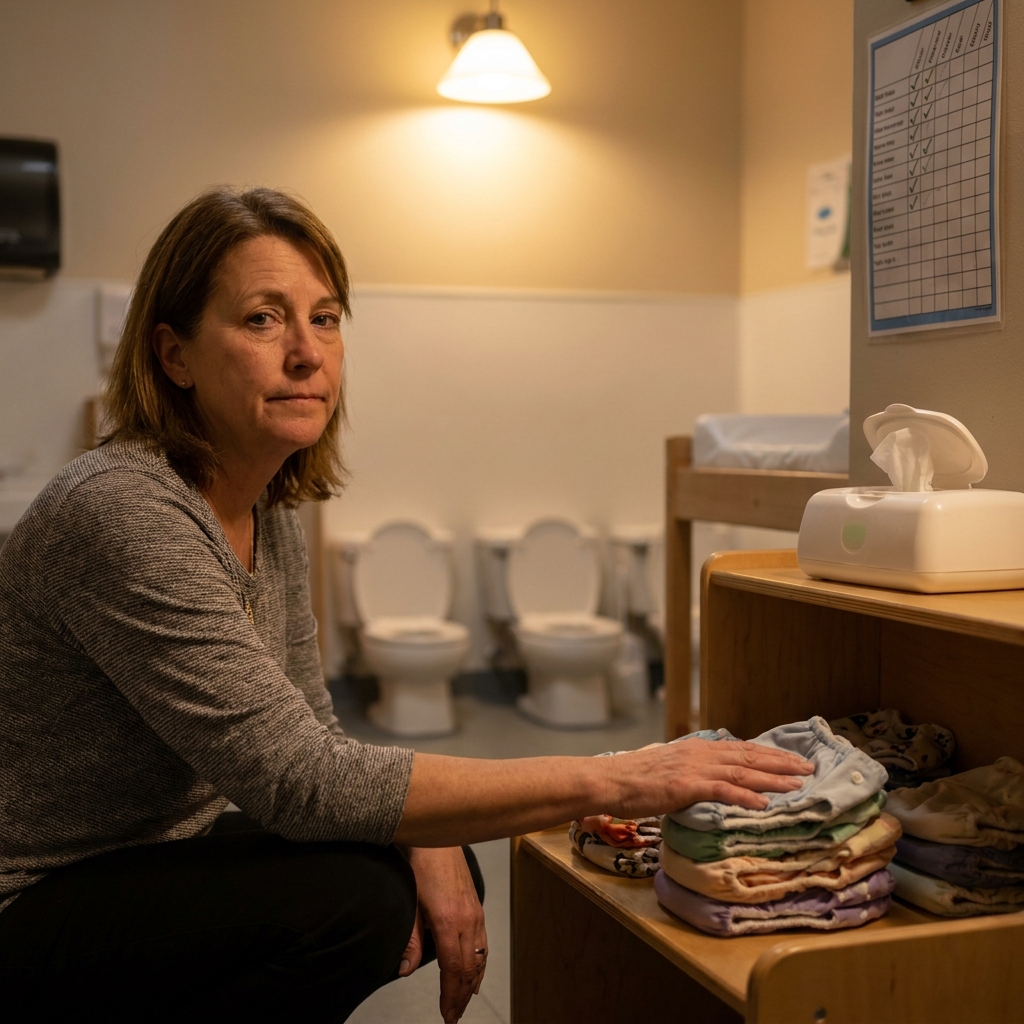
Behind every smooth toileting routine is a very practical layer of supplies and communication. Most programs require multiple full changes of clothes, including underwear, socks, and an extra pair of shoes in case of bigger accidents. Clothing that is easy to pull up and down, like elastic-waist pants, makes independence and clean-up much easier. Staff also rely on clearly labeled bags or containers for soiled items, so they can handle changes quickly and discreetly. When those basics are in place, teachers can spend more time coaching skills and less time searching for an extra pair of pants.
- Pack at least two or three full changes of labeled clothing.
- Choose simple, pull-on clothing over buttons, belts, and overalls.
- Check and refresh your child’s spare clothes every few weeks.
Communication is just as important as supplies. Programs appreciate knowing what is working at home, what language you use for body parts and toileting, and whether your child is nervous or resistant. Many centers now use digital tools and AI-supported planning systems to log bathroom attempts, accidents, and patterns, helping teachers and families see progress over time. Brief updates at pick-up or through your family app can quickly adjust routines when something changes, like constipation, new medications, or a big transition at home. When everyone shares information, children experience consistent expectations instead of mixed messages.
- Share any new toileting strategies you start using at home.
- Tell teachers about recent changes in diet, sleep, or stress.
- Use your school’s communication app to ask questions early, not after a problem grows.
Smart Potty Questions to Ask on Your Preschool Tour
To really understand how a program handles toileting, you need questions that go beyond “Are children potty trained?” During a tour, ask to see the bathroom spaces used by your child’s age group, and notice how close they are to the classroom. Ask staff to walk you through what happens if your child says, “I need to go now,” or if they have an accident during circle time. Their answers will show how well routines balance individual needs with the flow of the day. You should leave with a clear picture of who will help, how often, and with what tone.
- Request concrete examples instead of only hearing general policies.
- Pay attention to how comfortably staff discuss accidents and pull-ups.
- Observe whether bathrooms feel calm, clean, and child-friendly.
It is also helpful to ask how toileting progress is shared with families. Some programs update parents informally at pick-up, while others use daily notes or digital reports. Knowing the system ahead of time helps you track patterns, celebrate small wins, and adjust routines at home. When toileting is treated as a shared learning process rather than a private problem, children feel everyone is on the same team. That sense of partnership can turn potty training from a power struggle into a steady, supported step toward preschool independence.
- Ask how often you will get updates about bathroom use and accidents.
- Find out who to contact with toileting concerns between conferences.
- Look for a tone of partnership rather than pressure in staff responses.
Bringing Potty Learning Home and School Together
Potty training and preschool readiness work best when home and school routines feel like parts of the same story. When teachers share the words, prompts, and patterns they use, you can echo those at home so your child experiences familiar support in both places. Likewise, your insights about what motivates your child, what scares them, and what routines calm them can shape classroom strategies. Children sense this alignment, and it often leads to fewer battles and more pride in new skills. In the end, toileting becomes one more way they practice independence, confidence, and self-care.
- Trade simple scripts with teachers for bathroom reminders and praise.
- Celebrate progress, not perfection, in both settings.
- Remember that regression is normal during big changes and can be handled gently.
As you compare preschool or childcare options near you, keep toileting on your list of key questions, not as an afterthought. The way a program handles bathrooms, accidents, and body learning reveals how they see children as whole people. With clear routines, thoughtful policies, and open communication, potty training becomes less about pressure and more about partnership. That partnership helps your child feel safe, cared for, and ready to learn, one bathroom break at a time. And for busy families, that peace of mind during the workday is just as valuable as any early academic skill.
- Use toileting policies as a window into a program’s overall philosophy.
- Look for routines that respect both bodies and feelings.
- Choose a school that meets your child where they are today, not where a checklist says they should be.