
Planting a Garden, Growing a Careful Classroom
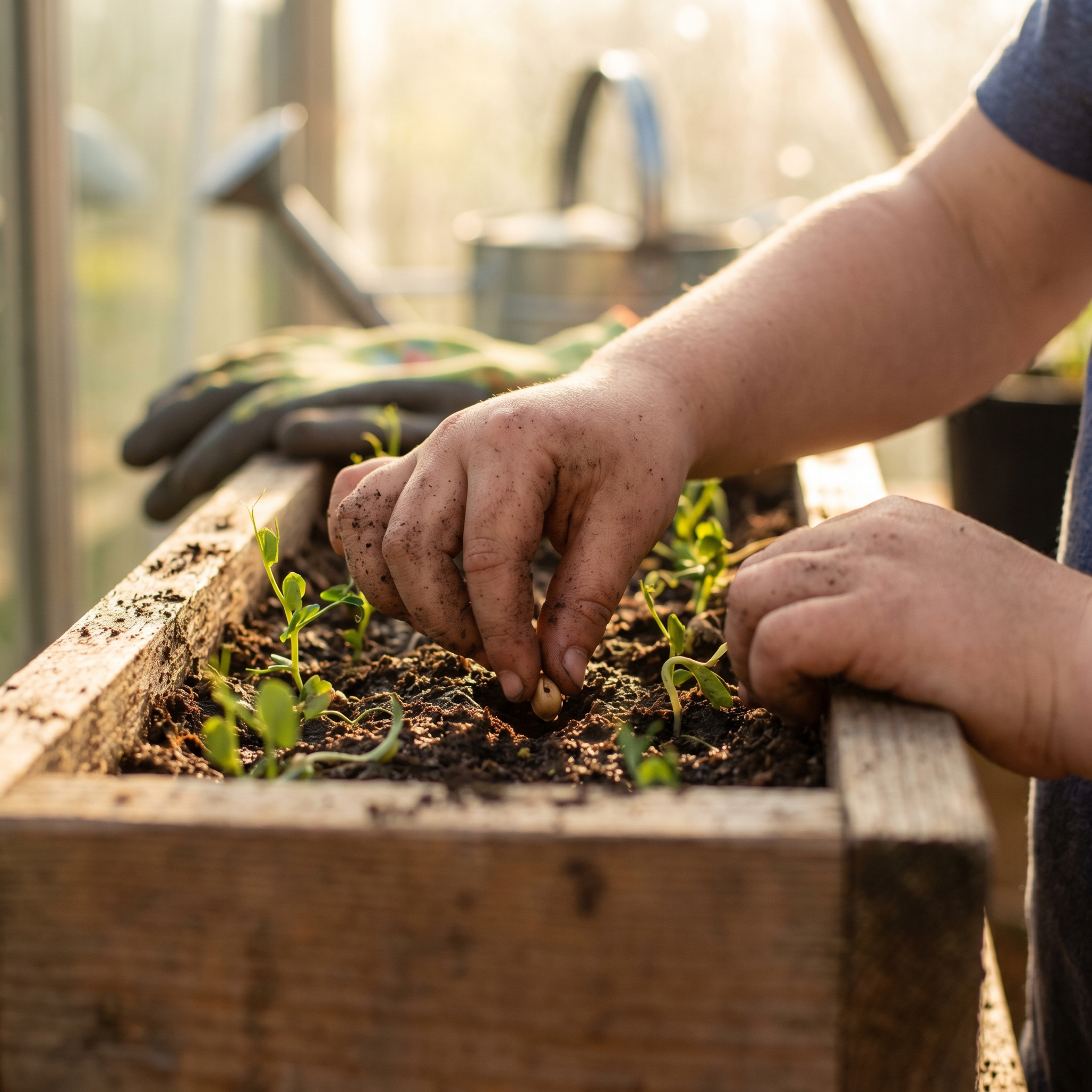
A preschool garden is much more than a pretty corner with plants and soil. It is a living classroom where children see that their actions have real effects on something outside themselves. When young children water, weed, and watch for new sprouts, they begin connecting effort, patience, and outcomes. This connection lays a foundation for responsibility that feels meaningful instead of abstract or rule-based. A well-planned garden helps children see living things as partners that depend on them, not just decorations they walk past.
Because the garden changes every day, it invites children to notice small details and respond thoughtfully. They watch leaves droop when the soil is dry and brighten again after watering, and this cause-and-effect pattern becomes deeply memorable. The garden’s rhythms also support emerging self-regulation as children practice waiting for seeds to grow instead of expecting instant results. Teachers can frame this waiting as caring, not just patience, helping children understand that living things need time. Over weeks, even very young preschoolers learn that their daily choices really matter to the plants they tend.
From Seed to Habit: Turning Garden Care into Daily Responsibility
Responsibility becomes real for preschoolers when it is part of an ordinary, repeatable routine. Building a quick garden check into arrival time or transition moments teaches children that care is not optional or occasional. They learn that watering, observing, and tidying are everyday jobs, just like washing hands or putting away materials. When children see adults consistently honoring garden time, they receive a strong message that tending living things is important. This repeated experience turns responsibility from a special event into a familiar habit.
Teachers can make this routine easier by breaking garden care into clear, child-sized tasks. One child might gently water just one container, while another removes a few fallen leaves or checks for new buds. Adults can verbally label these actions as responsible choices, reinforcing the connection between behavior and care. Over time, many children begin to remind each other about garden jobs, showing emerging independence. In this way, the garden becomes a shared responsibility that does not rely solely on adult prompting.
Gentle Hands, Gentle Hearts: Teaching Respect for Plants and Creatures
A garden offers concrete opportunities to teach that living things deserve gentle treatment. Preschoolers quickly notice that rough handling can snap stems or crush delicate petals, and careful touch helps plants stay healthy. Teachers can guide children to use open palms, slow movements, and quiet voices around the plants and any insects they encounter. These physical cues support self-control while also building empathy for small, vulnerable life forms. Over time, children often transfer their gentle hands to classmates, pets, and classroom materials.
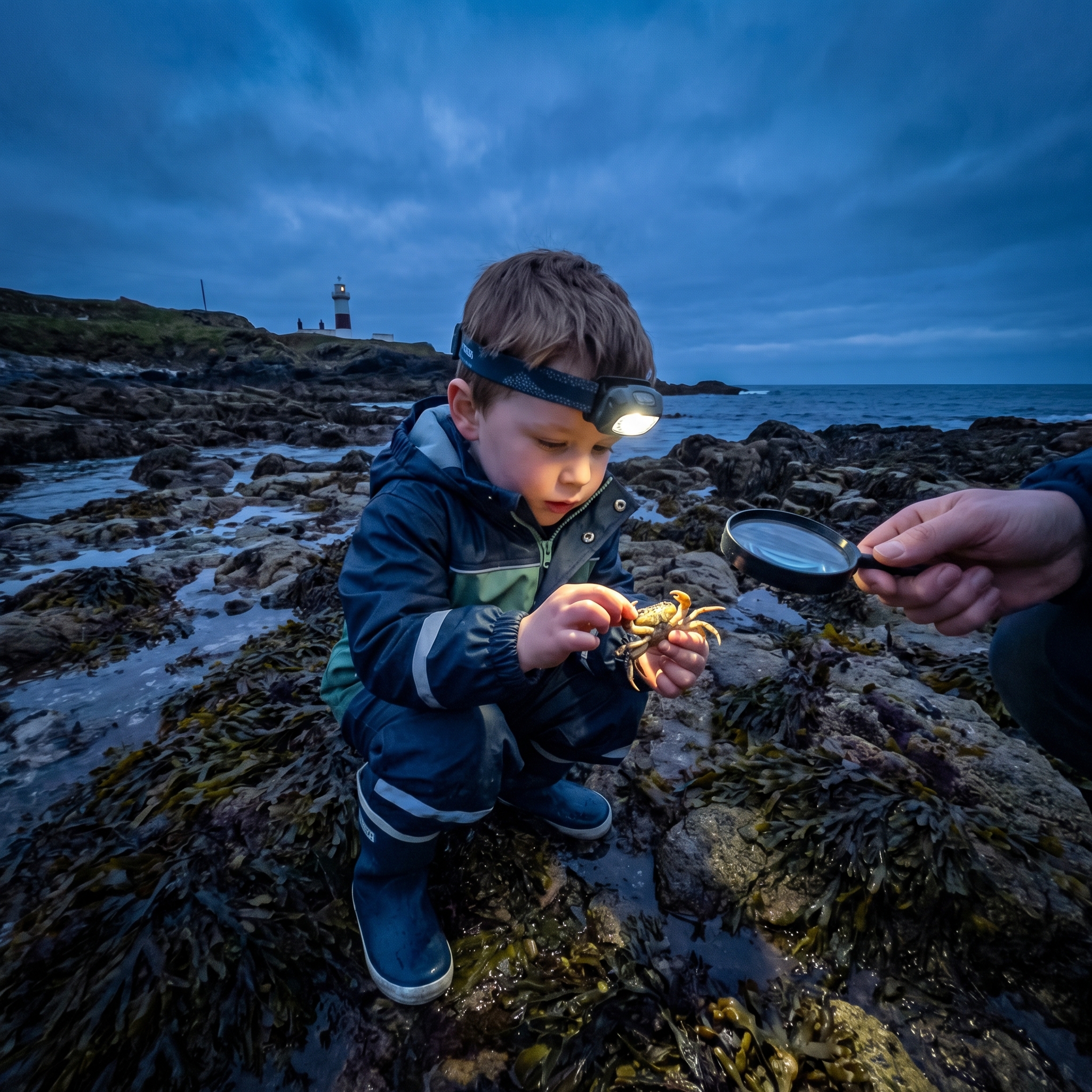
Respect for living things also grows when children are invited to observe rather than immediately touch. Offering magnifying glasses or simple picture cards helps focus attention without disturbing plants or garden visitors. Adults can model language such as, “Let’s look with our eyes before we decide what to do,” to encourage thoughtful choices. This pause gives children time to consider whether their actions will help or harm the garden. Through many small moments, children learn that respect means noticing needs and choosing kindness first.
Shared Jobs, Shared Care: Building Community Around the Garden
When every child has a role in garden care, responsibility becomes a community experience instead of an individual burden. Rotating simple jobs, such as water helper, leaf collector, sprout checker, and soil patter, ensures that each child contributes. These defined roles help prevent conflicts, because children know what is expected of them during garden time. Working side by side encourages cooperation as they wait for a turn at the watering can or take turns carrying small tools. In this way, the garden becomes a place where social skills and responsibility grow together.
Teachers can reinforce this sense of community by celebrating shared successes rather than individual achievements. Instead of praising a single child’s work, they might say, “Our class took such good care of the beans that they grew new leaves.” This language shifts focus from competition to collective responsibility. Children begin to understand that the garden thrives because everyone helps, even in small ways. That understanding supports a classroom culture where caring for people feels just as important as caring for plants.
Natural Consequences: Safe Opportunities to Learn from Mistakes
Gardens offer gentle, developmentally appropriate ways for preschoolers to see natural consequences unfold. If a plant misses water for a few days, it may wilt, and children can connect what was forgotten with what they now observe. Rather than shaming, teachers can frame these moments as chances to notice and repair. They might say, “Our plant looks thirsty because we missed watering; what can we do to help it now?” This approach helps children understand responsibility as responding to needs, even when something goes wrong.
Not every plant will survive, and that reality can be handled with empathy and reflection. Teachers can guide children to talk about what the plant needed and what they tried to do. These conversations build emotional vocabulary around care, disappointment, and trying again. Children learn that responsible people do not give up; they adjust and keep caring. This mindset prepares them for handling mistakes in relationships and routines beyond the garden.
Making Responsibility Visible: Visual Supports and Predictable Roles
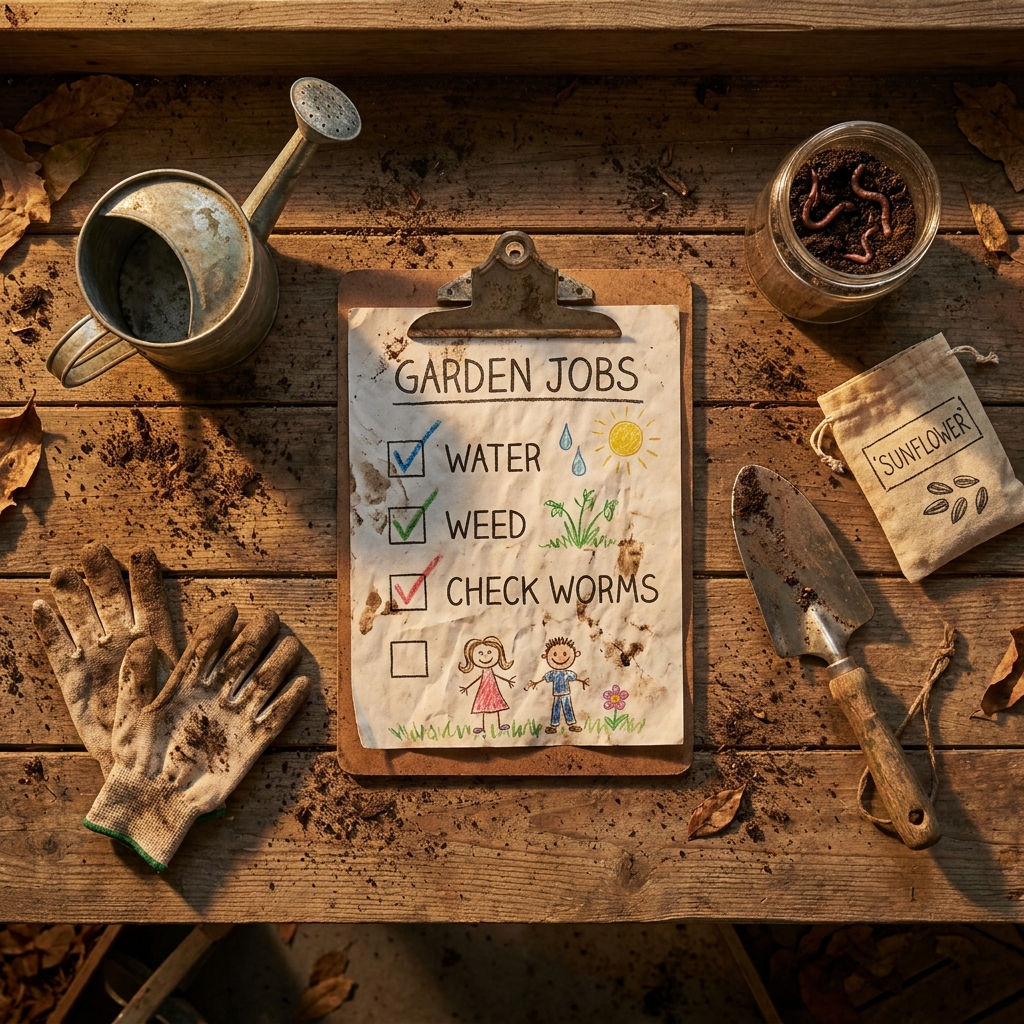
Preschoolers benefit from seeing responsibilities represented in simple, concrete ways. A picture schedule showing garden jobs can remind children of the sequence, from filling the watering can to gently returning tools. Photo cards or illustrated name tags near each job help non-readers participate fully and independently. When children move their picture to the job they will do that day, responsibility becomes a visible, proud commitment. These visual supports reduce confusion and help garden care feel predictable instead of overwhelming.
Consistent roles also provide comfort for children who thrive on routine. Knowing that Monday is their day to check the soil or count new leaves gives them a sense of ownership. Teachers can check in with children before garden time, asking them to explain their job in their own words. This brief reflection deepens understanding and confidence in their ability to care for the garden. Over time, many children will begin suggesting new helpful roles, showing that they are internalizing the idea of shared responsibility.
Gardens That Fit Every Preschool: Adapting Spaces While Keeping Respect Central
Even programs without large outdoor spaces can create meaningful garden experiences that teach responsibility and respect. A few containers on a windowsill or a mobile cart with small planters can still provide daily care opportunities. The key is choosing plants and setups that children can safely reach, touch, and observe at eye level. Simple routines like checking soil moisture or turning pots toward the light invite consistent, hands-on involvement. In these small spaces, it becomes very clear that children’s actions directly influence plant health.
Accessibility also communicates respect for children as capable caregivers. When watering cans are lightweight and tools are sized for small hands, children can act independently. Teachers can involve children in decisions about where to place plants or which varieties to grow, reinforcing that their choices matter. As children see their ideas reflected in the garden, their sense of responsibility and pride deepens. No matter the size of the space, a thoughtfully designed preschool garden can root responsibility and respect firmly in everyday learning.