

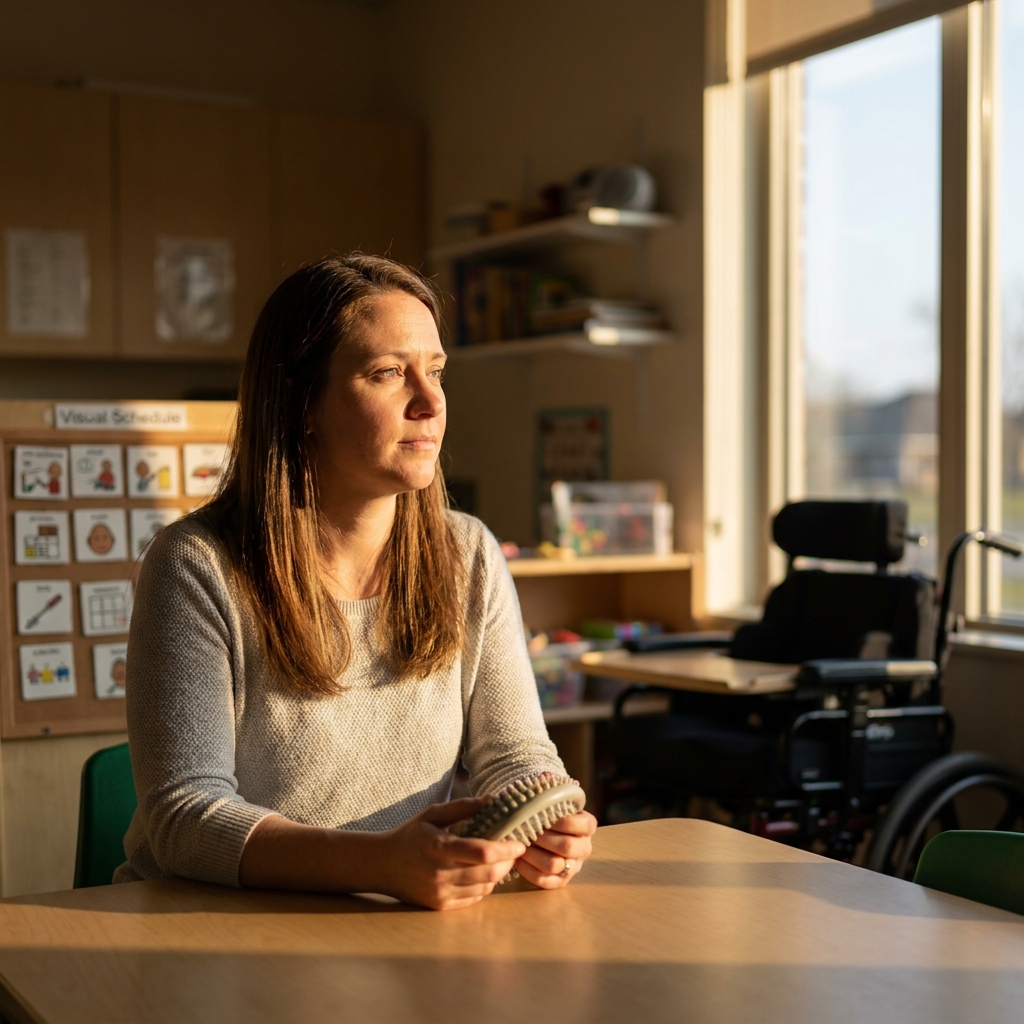
Policy shifts that shape everyday preschool moments
For preschool and early childhood programs, big policy acronyms like IDEA and Head Start NPRM can feel distant from circle time and snack schedules. Yet they directly touch the children and families you see every day, especially those with disabilities and developmental delays.
Staying tuned in to these policies is not about memorizing regulations. It is about understanding the promises they make to young children and using those promises to guide daily decisions, family conversations, and long-term planning in your program.
IDEA: A clear promise of support for children with disabilities
The Individuals with Disabilities Education Act (IDEA) ensures states and public agencies provide early intervention, special education, and related services to more than 7 million eligible children and youth with disabilities across the country, including infants and toddlers. That single sentence holds a powerful message for every preschool and early childhood setting.
It tells us that support for children with disabilities is not an extra or a bonus. It is a guaranteed part of the system surrounding your program, your families, and your community’s youngest learners.
What IDEA’s promise means in your classroom
Because IDEA ensures early intervention, special education, and related services for eligible children, your program sits inside a wider circle of support. You are not expected to do everything alone, but you are a key partner in noticing needs, celebrating strengths, and connecting families with services.
In practice, that can look like building daily habits that align with IDEA’s focus on intervention and services for children with disabilities and developmental differences.
- Watch with intention. Use everyday routines to notice how children participate, communicate, move, and play, especially infants and toddlers who may show early signs that extra support would help.
- Document what you see. Short notes about a child’s strengths and challenges during play, mealtimes, and group activities can become valuable information when families explore services ensured under IDEA.
- Use strengths-based language. When you talk with families, frame IDEA’s services as tools that build on what their child already does well, not as labels or limits.
Infants and toddlers at the center of early intervention
IDEA’s reach includes infants and toddlers, not just preschoolers and older children. For early childhood professionals, that reinforces the importance of paying attention to the earliest years, when brains are rapidly developing and small changes can make a big difference.
When you care for babies and very young children, your observations and relationships with families can help them understand that supports are available. You can normalize early intervention as a natural extension of nurturing care, rather than something to fear or delay.
- Share with families that support for infants and toddlers with disabilities is part of a broader system, not a sign that anything has gone wrong.
- Reassure parents that asking questions and seeking information about services is a positive, proactive step for their child.
- Create calm, private spaces for conversations so families can process information about potential services at their own pace.
Head Start NPRM: When proposed changes call for closer attention
Alongside IDEA, Head Start policies are also evolving. A recent analysis of the Head Start NPRM highlights that the proposed changes include elements that warrant extra scrutiny and discussion, raise potential concerns, and may call for official public comment.
For Head Start leaders, teachers, and partner programs, that message is a clear invitation to slow down and look closely. When proposed changes could affect how you serve young children and families, “just skimming the headlines” is not enough.
Responding thoughtfully to proposed Head Start changes
Even without diving into every technical detail, early childhood teams can engage thoughtfully with potential shifts in Head Start policy. The goal is to protect quality, honor family needs, and stay aligned with what you know supports strong child outcomes.
- Set aside time as a team. Schedule a staff meeting or planning block dedicated to reviewing key ideas from the Head Start NPRM analysis so you are not reacting on the fly.
- Name your questions. As you review, identify which proposed changes feel unclear, which raise concerns, and which may positively support children with disabilities and their families.
- Consider the classroom view. Ask, “If this change goes through, what would it mean for a child’s daily experience?” Concrete examples help you see beyond abstract policy language.
- Encourage informed voices. If some elements appear to need additional scrutiny or official comment, share information with your leadership, governing bodies, or parent groups so they can participate in any comment opportunities.
Aligning IDEA’s guarantees with Head Start’s evolving rules
IDEA’s guarantee of early intervention, special education, and related services for more than 7 million eligible children, including infants and toddlers, provides a steady anchor. Head Start’s proposed policy changes sit against that backdrop.
When you view both together, a clear priority emerges: children with disabilities and developmental delays must remain fully supported, welcomed, and included, even as program rules shift over time.
- Use IDEA’s promise as a lens when you consider Head Start policy proposals. Ask how each element supports or complicates access to services for eligible children.
- Keep infants and toddlers in focus. Because IDEA’s support includes them, ensure that any local implementation of Head Start rules does not overlook the youngest learners.
- Strengthen communication channels with the public agencies in your area that provide IDEA services so policy shifts do not interrupt collaboration.
Bringing policy down to child level
Policies like IDEA and the Head Start NPRM can feel abstract, but their impact is deeply personal: a toddler receiving timely support, a preschooler fully included in group play, a family feeling seen and supported rather than isolated.
Your role is not to become a legal expert. Your role is to stay curious, ask questions when proposed changes raise concerns, and use IDEA’s guarantees and Head Start’s evolving rules as tools to strengthen your program’s daily practices.
When you connect these policy promises to real classroom routines and family relationships, you help ensure that every child—especially those with disabilities and developmental delays—experiences preschool as a place where they are supported, challenged, and truly belong.