
Fine Motor Fun: Laying the Groundwork for Kindergarten Confidence
When families picture kindergarten readiness, they often jump straight to reading and math, yet so much of early success starts in the hands. Fine motor fun is the playful practice that helps children control the small muscles in their fingers, wrists, and hands. These muscles need time, repetition, and variety to get strong and coordinated enough for the busy routines of kindergarten. In a high-quality preschool, children are not pushed into worksheets before they are ready but invited into rich, hands-on experiences that quietly build these skills. Through thoughtful play and gentle practice, little hands gain the strength and precision they need for big-school tasks.
Every day, preschoolers zip, pour, pinch, and draw their way toward independence without even realizing how much they are learning. Teachers plan activities that feel like pure fun while secretly targeting the muscles and movements that kindergarten will demand. Families stay in the loop with clear explanations of what children are doing and why each activity matters. This kind of communication turns a cute classroom photo into meaningful insight about development. When home and school work together in this way, young children walk into kindergarten feeling capable, practiced, and proud of what their hands can do.
Kindergarten Readiness Starts in the Hands
Many kindergarten expectations rely on fine motor skills long before formal academics begin. Children are asked to hold a pencil comfortably, control scissors on a line, and manage small items like glue sticks, crayons, and tiny puzzle pieces. Mealtimes and transitions also call on fine motor muscles, as children open food containers, zip backpacks, and change into jackets. Without steady practice in preschool, these everyday tasks can feel tiring and frustrating. When fine motor fun is woven into the day, children build strength and control so that kindergarten routines feel familiar instead of overwhelming.
Strong fine motor skills also support attention, problem-solving, and the confidence to tackle new challenges. A child who can manage their materials independently is freer to focus on listening, participating, and making friends. As fingers learn to work together, brains organize information in more coordinated ways too. Tasks like copying a simple shape or building with small blocks require planning, persistence, and visual focus. These are the same skills that will later support handwriting, math, and early reading activities.
Playful Hand Work in the Preschool Classroom
In a well-planned preschool classroom, fine motor practice is tucked into almost every learning area. At the art table, children squeeze glue, snip paper, and peel stickers, each action giving tiny muscles a workout. In block and building centers, they balance small pieces, connect parts, and problem-solve with their hands and eyes working as a team. Sensory tables offer scooping, pouring, and transferring, all of which strengthen grip and control without feeling like a lesson. These activities are joyful and engaging, yet carefully chosen to build readiness for later school responsibilities.
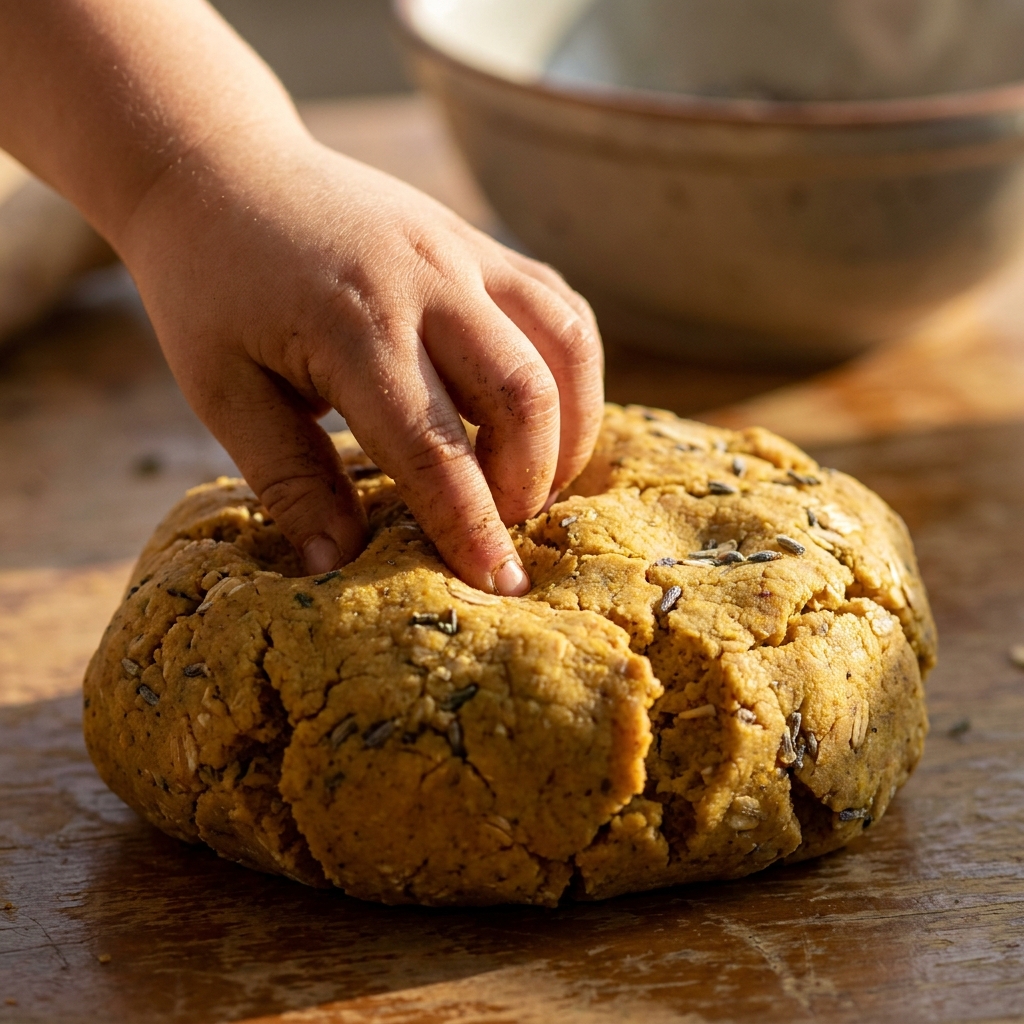
- Playdough invitations with tools such as rolling pins, child-safe scissors, and cookie cutters.
- Tongs or tweezers for moving pom-poms, buttons, or small toys from one container to another.
- Sticker collages, hole punching, and tearing paper for collage art that challenges fingers in different ways.
Teachers observe how each child uses their hands during these playful moments and adjust the level of challenge as needed. A child who avoids scissors might first use playdough scissors to build confidence, while a child with a strong grip might be offered more detailed cutting tasks. Instead of simply sending home a cute craft, teachers can share notes or photos that highlight the specific fine motor skills being practiced. Parents then understand that the activity was more than decoration; it was intentional preparation for kindergarten tasks. This shared understanding builds trust and reassures families that play truly has a purpose.
Self-Care Skills: The Everyday Fine Motor Workout
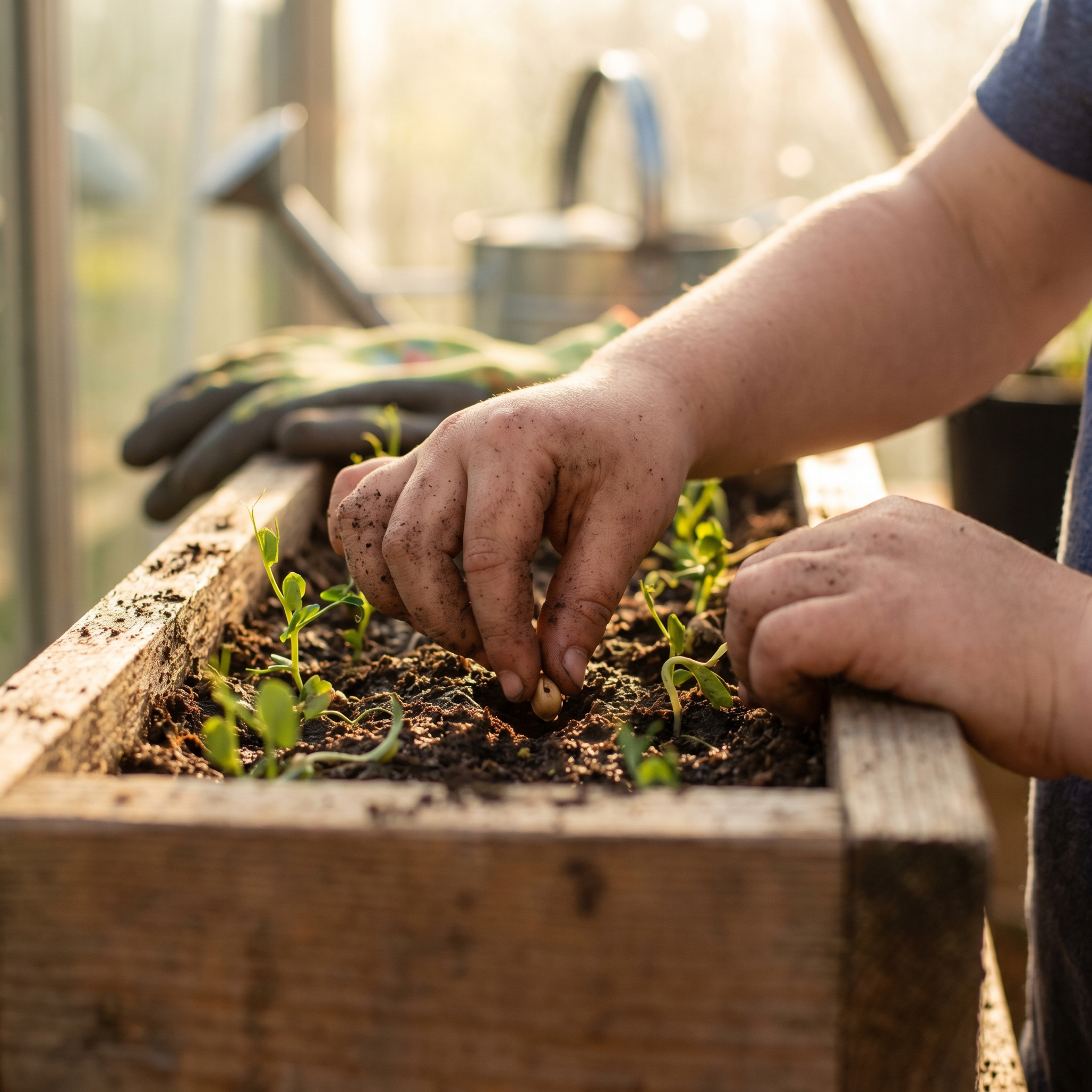
Self-care routines offer powerful, built-in practice for fine motor growth that children need before kindergarten. Simple tasks like pulling up a zipper, fastening a Velcro shoe, or snapping a lunchbox lid all require finger strength and coordination. In a supportive preschool environment, adults give children extra time and encouragement to try these tasks themselves rather than rushing to do it for them. Each attempt, successful or not, is important practice for small muscles and big confidence. Over time, children learn that their hands are capable and helpful, which eases the transition into more independent kindergarten routines.
Teachers can gently coach children through these moments, breaking big tasks into smaller steps. Instead of saying that a child is behind, adults focus on what the child can already do and build from there. Families can mirror this approach at home with low-pressure opportunities for practice woven into daily life. When adults stay patient and positive, children are more willing to keep trying, even when something feels tricky. Step by step, fine motor self-care skills turn into a daily success story.
- Invite your child to start zipping a jacket while you finish the last pull.
- Offer small pitchers so children can pour their own water at meals.
- Encourage children to open snack packages with support nearby, instead of doing it automatically for them.
Preparing Little Hands for Writing Without Worksheets
Before children are ready to write letters, their hands need plenty of whole-arm and finger practice in playful ways. Vertical surfaces such as easels, chalkboards, and large paper on the wall encourage big shoulder and wrist movements that are essential for later handwriting. Activities like tracing lines in sand, forming shapes with playdough, and drawing roads for toy cars help children control direction and pressure. Grasp is developed gradually through crayons, markers, and short pieces of chalk that naturally encourage a proper hold. If rushed into pencil-and-paper tasks too soon, children may feel discouraged, but playful pre-writing experiences help them arrive at kindergarten with confidence.
Preschool teachers can observe how a child holds writing tools and introduce small adjustments through games instead of corrections. Short, fun bursts of drawing and scribbling at different angles keep hands engaged without fatigue. When families see photos of these activities paired with explanations, they begin to understand how scribbles evolve into letters. This shared understanding reduces the pressure to push early handwriting drills at home. Instead, parents can focus on rich, joyful experiences that truly prepare children for later writing success.
- Offer chunky crayons or short pieces of chalk that are easier for small hands to control.
- Invite your child to draw on large cardboard boxes or taped-down paper on the floor.
- Use a tray of salt, sand, or rice for tracing shapes, lines, and simple pictures with fingers.
Building Hand-Eye Coordination Through Play
Hand-eye coordination allows children to use what they see to guide what their hands do, an essential skill for kindergarten tasks. Completing puzzles, stringing beads, and stacking blocks all require careful aiming and adjusting. When preschoolers pour water into a funnel or fit lids onto containers, they are practicing the same coordination they will later use for writing on lines and using classroom tools. Games that involve tossing and catching also strengthen this connection between eyes and hands. With repeated playful practice, movements become smoother and more accurate, easing frustration when children meet new challenges at school.
Teachers can set up invitations that subtly increase difficulty as children grow more confident. A child might start with large wooden beads and later move to smaller ones that demand more precision. Families can look for signs of focus and determination during these activities, celebrating effort as much as the finished product. When a child proudly completes a puzzle or successfully threads a bead, they are building both coordination and a sense of accomplishment. Those feelings of success travel with them into kindergarten and beyond.
- Keep a range of puzzles at home, from chunky knob pieces to simple interlocking ones.
- Offer lacing cards or pasta on strings for easy, low-cost threading play.
- Play gentle tossing games with soft balls or beanbags at varying distances.
Partnering With Families Through Clear Communication
Fine motor development can feel invisible until someone explains what to look for, which is why open communication between school and home matters so much. When teachers send real-time updates or daily notes that explain the purpose behind activities, parents feel informed instead of guessing. A photo of a child using tongs in a sensory bin becomes a clear example of hand strengthening, not just a cute moment. Families who understand this are less likely to worry that their child is missing out on early academics. Instead, they can see how purposeful play is giving their child the foundation kindergarten truly requires.
Preschool programs that share simple language about fine motor progress make it easier for parents to support practice at home. Teachers might point out preferred hand use, growing hand strength, or increasing independence with fasteners, always focusing on growth. Families can respond with questions, share celebrations from home, and ask for ideas when a task feels challenging for their child. When everyone works as a team, children experience consistent support and encouragement across their day. In this kind of partnership, fine motor fun is more than a classroom activity; it becomes a shared path toward a confident start in kindergarten.