
Tiny Experiments That Help Preschoolers See Big Changes
Preschoolers live in a world of instant moments, yet the biggest changes around them often happen slowly and quietly. Science projects that highlight real-world change through tiny experiments give young children a way to actually see those shifts unfold. When a cup of ice melts, a seed sprouts, or a drop of food coloring spreads through water, children watch cause and effect in action. These small moments turn abstract science ideas into something concrete they can point to, talk about, and remember. In early childhood classrooms, intentionally designed tiny experiments become powerful tools for building curiosity, language, and early STEM thinking.
Because young learners are hands-on by nature, they need science experiences they can touch, repeat, and revisit. Short, simple investigations invite them to test what they think will happen, then compare it to what they actually see. Over time, this pattern of predicting, observing, and reflecting helps children realize that their ideas matter and can be checked against the world. Tiny experiments also fit easily into existing classroom routines, occupying just a few minutes while still leaving a lasting impression. With thoughtful planning, educators can use these projects to connect science learning to children’s everyday experiences at home and school.
From Tiny Experiments to Big Thinking
In preschool, science is less about memorizing facts and more about building habits of mind. Tiny experiments encourage children to ask questions, notice patterns, and look closely at small changes. When a child observes that wet paper dries on the easel rack but stays damp in a pile, they are building early understandings about evaporation and air flow. When they see a balloon sag after several days on the science shelf, they are observing how air slowly escapes. These experiences prepare children for more formal science learning later, without overwhelming them with technical language.
Small-scale projects are especially powerful because they are manageable for little hands and short attention spans. A single clear cup, a spoon, and a bit of baking soda and vinegar are enough to showcase bubbles, gas, and reaction. Placing two slices of apple in different containers lets children see how air and moisture affect decay. Adding a drop of colored water to a cotton ball shows how liquids spread and soak in. By repeating these investigations over days or weeks, children begin to expect that small actions lead to changes they can watch and describe. This repeated cycle of trying, seeing, and talking fuels rich conversations and builds confidence as young scientists.
Mini Messes That Model Real-World Change
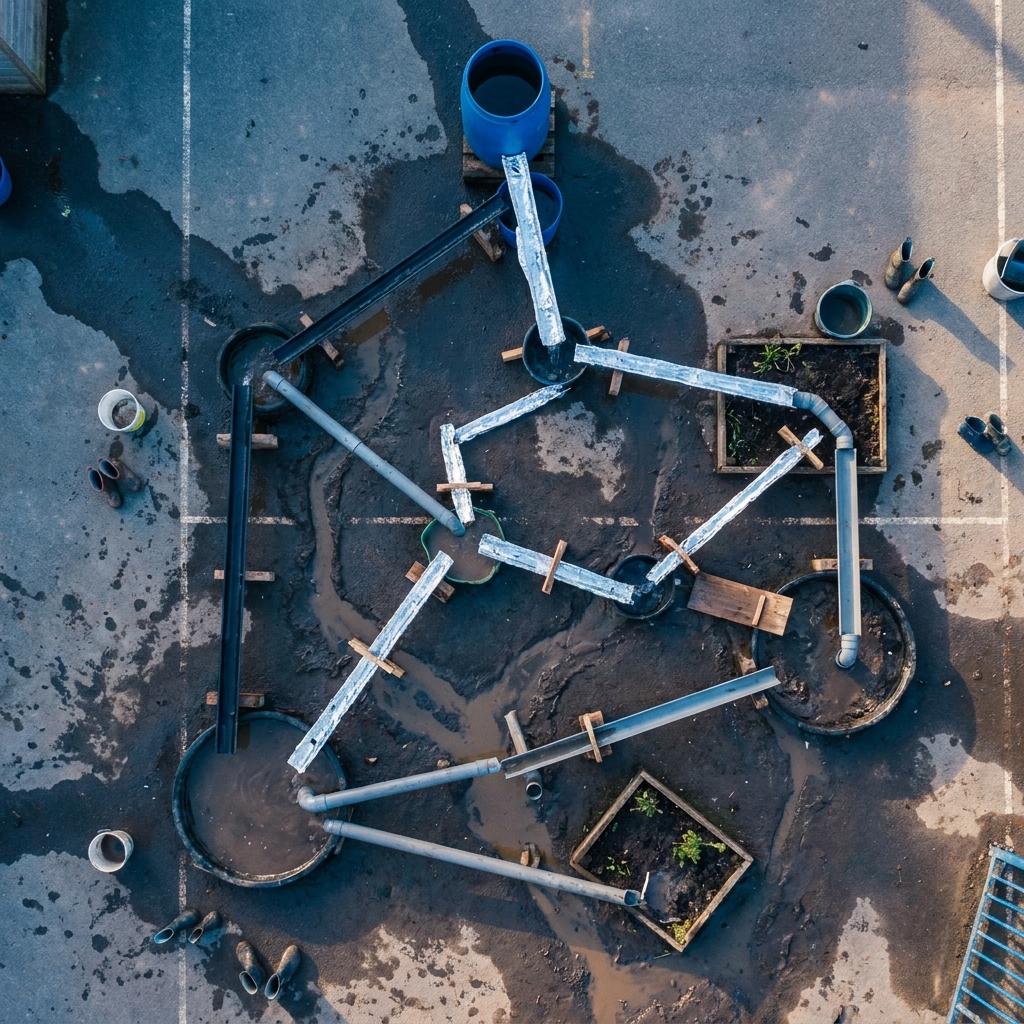
Thoughtfully chosen “mini messes” can model big real-world changes in a safe, contained way. For example, a shallow tray of flour with a sprinkle of cocoa powder can become a model for erosion when children gently tap it with a spray bottle of water. Over a few minutes, they see how tiny drops carve channels and move material, just as rain shapes land outdoors. In another project, a sugar cube “building” placed in water shows how structures can weaken and dissolve over time. These visual changes give children a concrete way to think about weather, water, and the built world around them.
Changes in temperature are another rich theme for tiny experiments. Placing ice cubes in different spots around the classroom invites children to compare melting speeds and talk about warm and cool areas. Freezing small toys in ice and then trying different ways to melt them back out gives children firsthand experience with solid and liquid states. Adding food coloring to one ice cube and watching it spread as it melts connects color mixing with temperature and motion. These projects use everyday materials but reveal surprising changes that feel magical to preschoolers, while still grounded in real science ideas.
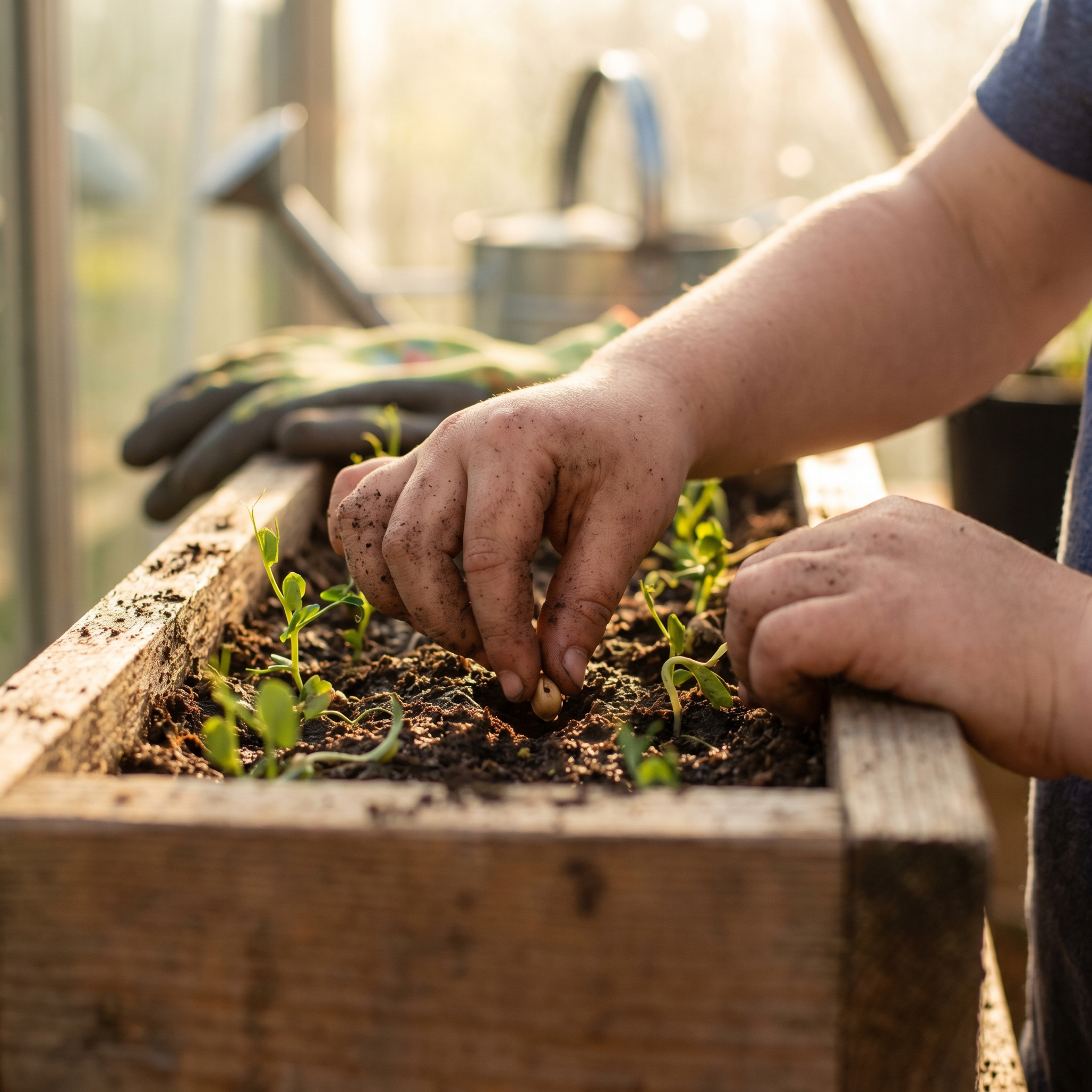
Biological change can also be modeled in miniature without the need for extensive materials or space. Sprouting seeds in a clear plastic bag taped to the window allows children to see roots and stems grow day by day. Placing a cut white flower in colored water shows how plants draw water upward, with petals gradually shifting color. Observing a piece of bread in sealed bags with different conditions, such as a dry bag and a damp bag, raises questions about mold and growth. Each of these investigations highlights change over time in ways that children can see, revisit, and discuss during daily classroom transitions.
Designing Science Centers for Everyday Cause and Effect
A well-designed science center can hold a rotating collection of tiny experiments that children explore during free play. Clear containers, trays, and simple tools make it easy for young learners to set up and repeat investigations independently. For example, a balance scale with different objects encourages questions about weight and comparison. A ramp with varied materials nearby invites children to test how different surfaces change the speed of rolling balls. Jars of water with droppers and safe items that sink or float give endless opportunities to notice patterns in what rises and falls.
To keep the focus on real-world change, teachers can frame the science center as a place to notice “before and after.” Simple picture labels showing a dry sponge next to a wet one or a straight straw next to a bent one remind children that their actions matter. Providing clipboards, crayons, and simple drawn charts encourages them to mark what they see, even if it is just a circle for “before” and an X for “after.” Over time, the science center becomes a familiar spot where tiny trials are expected, questions are welcomed, and small changes are celebrated. This consistency helps children view science as an everyday part of classroom life, not a special event.
Helping Preschoolers Notice and Name Change
For young children, the learning is not only in watching a change happen, but also in putting words to it. Teachers play a key role by modeling simple language such as “It used to be…” and “Now it is…” during science projects. Phrases like “before,” “after,” “faster,” and “slower” give children tools to describe what they see. When a child says, “The bubble popped,” the teacher might extend with, “Yes, first it was round and full of air, and now the air is gone.” This kind of rich talk turns quick observations into deeper understanding and strengthens vocabulary for later academic work.
Question prompts also help children attend to small details they might otherwise miss. Asking, “What is the tiniest change you can see?” invites them to look closely and share their thinking. Encouraging them to compare two cups, trays, or bags builds skills in noticing similarities and differences. Small group discussions after an experiment encourage children to listen to peers’ ideas and decide what they agree or disagree with. Through repeated practice, children learn that science is not just watching something happen but also describing, explaining, and revisiting it in words.
Connecting Experiments to Preschoolers’ Daily Lives
Tiny science projects are most meaningful when children can connect them to familiar experiences. An experiment where soap removes oil from a plate can link directly to handwashing and cleaning up after meals. Watching a paper towel trail water from one cup to another can lead to conversations about how spills spread on the floor. Observing condensation on the outside of a cold cup can relate to foggy windows on a rainy day. These connections help children realize that science is not separate from their daily routines but woven into everything they do. When teachers intentionally draw these lines, children begin to see themselves as capable problem solvers in their own environments.
Families can be invited into this process by sharing simple at-home versions of classroom experiments. Sending home a brief note describing a current project, along with a suggestion for trying something similar in the kitchen or bathtub, extends learning beyond the classroom. Adults might be encouraged to ask their child, “What do you think will happen next?” or “How did it change?” as they explore together. This kind of home-school connection reinforces language about change and cause and effect in a familiar setting. Over time, children start to notice and name scientific changes on their own, proudly bringing their observations back to share at circle time.
Documenting Little Discoveries for Families and Future Learning
Documenting tiny experiments helps preserve learning that might otherwise be forgotten once the tray is cleaned or the ice has melted. Photos of “before” and “after” stages, displayed at child eye level, create visual stories that children can revisit. Simple class-made books showing a sequence such as “Our Ice Block Adventure” or “Watching Seeds Grow” turn projects into shared narratives. Teachers can invite children to dictate captions or short comments, honoring their own words alongside the images. These records become reference points that support memory, language, and pride in their scientific work.
For families and future planning, documentation also serves as a powerful communication tool. Brief notes on a display board or in a classroom newsletter can explain what children were investigating and what kinds of thinking were involved. Instead of listing just materials, educators can highlight skills such as predicting, comparing, and problem solving that were practiced during the project. Reviewing these records later helps teachers see which types of tiny experiments engaged children most deeply and where to extend learning next. In this way, each small trial informs the next, building a thoughtful sequence of science experiences that mirror the gradual, meaningful changes children see in their world.