
Small Responsibilities, Big Growth in a Play-Based Classroom
In a play-based preschool, every block tower, pretend meal, and art station can also be a chance to practice responsibility. Classroom jobs and cleanup routines give young children clear ways to contribute, without taking away the joy and spontaneity of play. When these routines are consistent and developmentally thoughtful, they help children see themselves as capable, needed members of the classroom community. Micro-responsibilities also gently introduce the idea that our choices affect others in the room. Over time, that awareness lays the groundwork for self-control, kindness, and readiness for the more structured environment of kindergarten.
Rethinking “Chores” as Playful Micro-Responsibilities
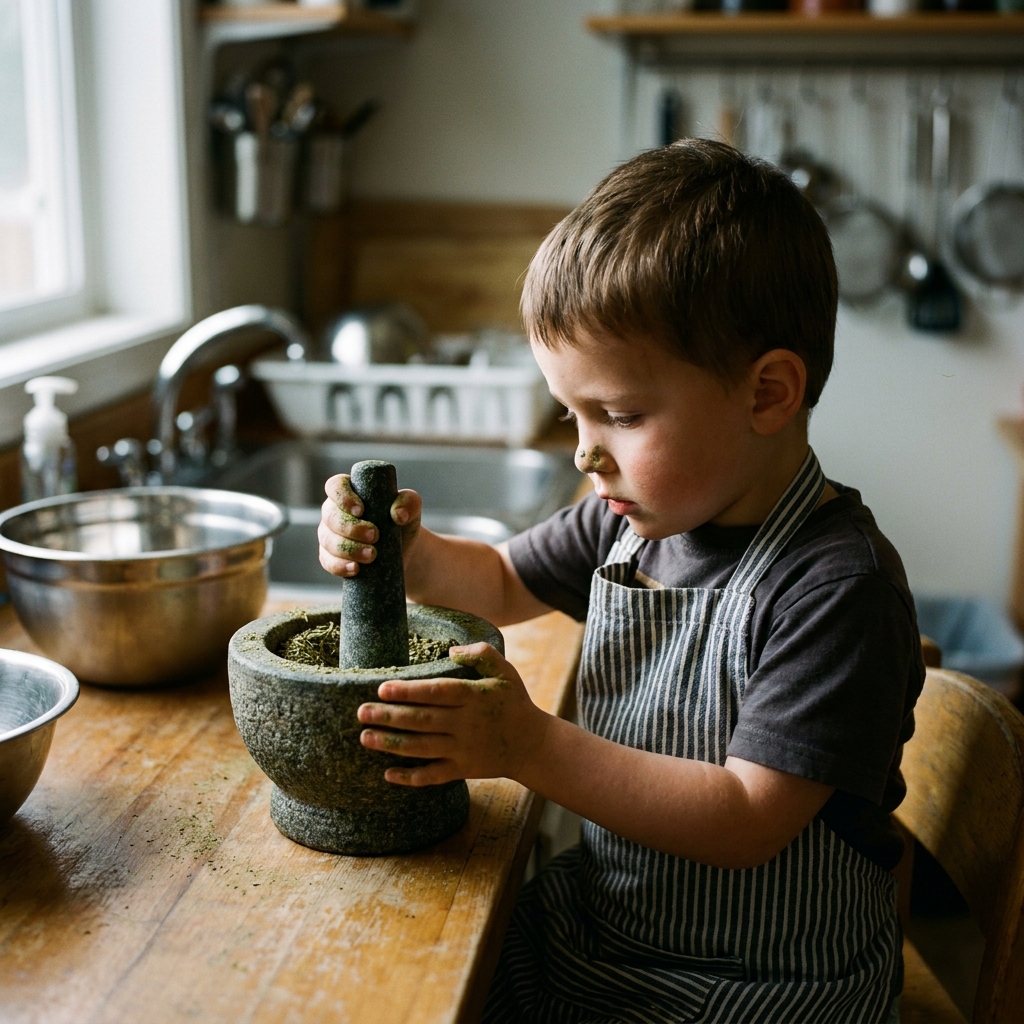
For preschoolers, jobs should feel like meaningful invitations, not punishments or tasks to rush through. When adults frame responsibilities as chances to help, children begin to associate effort with pride and connection. A child who proudly wipes a table or passes out markers is practicing independence in a way that feels playful and age-appropriate. These small moments allow children to feel trusted with something real, not just pretend tasks. That sense of being trusted can be especially powerful for children who are still finding their confidence in a group setting.
Micro-responsibilities are intentionally small so that they match short attention spans and emerging motor skills. Instead of one child being “in charge of cleaning,” several children each take a tiny, clear role. This structure makes success highly likely, which is crucial when children are still learning to regulate frustration and follow multi-step directions. It also keeps jobs from becoming overwhelming or turning into repeated adult rescue missions. When the job fits the child, the child can feel the satisfaction of finishing it independently.
Designing Age-Appropriate Classroom Jobs for 2–5 Year Olds
Effective classroom jobs for young children are concrete, visible, and repeatable. A two-year-old might carry a soft basket of board books, while an older preschooler can check that each center has its labeled materials. Pairing a clear picture with the job title helps children remember their role without constant adult reminders. Jobs that happen at the same time every day, like snack helper or line leader, give children a predictable rhythm. Predictability supports self-regulation because children can mentally prepare for what comes next.
When planning a job chart, it helps to think about the different parts of the day rather than every possible task. This keeps the system simple for children and teachers to maintain. You might group jobs into morning, playtime, and closing circle responsibilities. Rotating roles every few days lets many children try the same job without constant negotiation. It also gives each child a chance to shine in both highly visible and more behind-the-scenes roles.
Cleanup Routines That Fit a Play-Based Day
In a play-based preschool, cleanup works best when it feels like a natural part of the game instead of a sudden stop sign. Giving children a gentle warning before transitions helps them finish their stories and constructions with less resistance. Short, consistent phrases such as “Two more minutes, then toys go back to their homes” prepare children for the shift. Visual cues like a cleanup song or picture card reinforce the message without adding more verbal instructions. Over time, children begin to associate these cues with what their bodies and hands should do next.
Breaking the room into labeled zones makes cleanup more manageable and reduces conflict. Children can be invited to choose a zone, like blocks or dramatic play, or be assigned based on their classroom job for the day. When each area has a photo of where items belong, children can match objects even before they can read. This visual organization supports independence and reduces the need for adults to correct or redo the work. The goal is not a perfect-looking room, but a process where children participate meaningfully and feel successful.
Using Jobs to Practice Language and Problem-Solving
Classroom jobs and cleanup tasks offer rich opportunities for social-emotional practice, especially around using words instead of grabbing or pushing. A child sharing the role of snack helper might need help saying, “Can I have a turn to pour?” instead of rushing ahead. Teachers can quietly model phrases and then step back so children try them on their own. When two children disagree about who cleans a favorite area, the adult can guide a short conversation about choices. These guided moments provide practice in staying calm, listening, and finding solutions together.
Jobs also give natural reasons to use specific vocabulary, such as “heavier,” “full,” “sorted,” or “stacked.” A child counting how many napkins are needed is practicing early math in a meaningful context. A child checking picture labels on bins is building early literacy skills. Because there is a real purpose behind the words and numbers, children tend to stay more engaged. They also begin to see themselves as capable of solving small problems without always asking an adult first.
Building Confidence and Belonging Through Helping Roles
For many young children, being chosen for a job feels like being chosen to belong. Posting a simple job chart with photos of children next to their roles sends a clear message that everyone has something to contribute. This can be especially reassuring for quieter children or those still adjusting to group life. When adults notice and describe effort, such as “You carried all the paint cups carefully,” children internalize a picture of themselves as responsible. That internal picture matters more than a sticker or prize because it shapes how they approach future challenges.
Rotating jobs fairly also reinforces the idea that the classroom is a community, not a competition. Children see that today’s line leader will be tomorrow’s plant waterer, and that every role matters. Teachers can highlight this by explaining how each job helps the group’s day go more smoothly. Over time, children begin to offer help without being asked, like wiping a spill or comforting a friend. Those spontaneous acts of care are signs that micro-responsibilities are becoming part of who they are, not just something written on a chart.
Partnering with Families Around Independence at Home
When classroom jobs and cleanup routines are shared with families, parents can build on the same skills at home in simple, realistic ways. Caregivers do not need to recreate a full job chart to see benefits. Instead, they might invite their child to carry the napkins, put socks in a drawer, or match lids to containers. These tiny tasks mirror the structure of school jobs and reinforce the message, “You are capable and needed here, too.” Consistency between home and classroom helps children generalize independence across different settings.
Teachers can offer a few concrete ideas during regular conversations or in classroom updates, always emphasizing flexibility and kindness to the child and to themselves. Families are often relieved to hear that independence grows from many small moments, not from rigid systems. When parents share what is working at home, teachers gain ideas for connecting routines to each child’s interests. A child who loves cars might enjoy parking toy vehicles on a taped “garage” at cleanup time. These shared strategies strengthen the child’s experience of responsibility without adding pressure for perfection.