
Playing Together: Where Sharing and Teamwork Really Begin
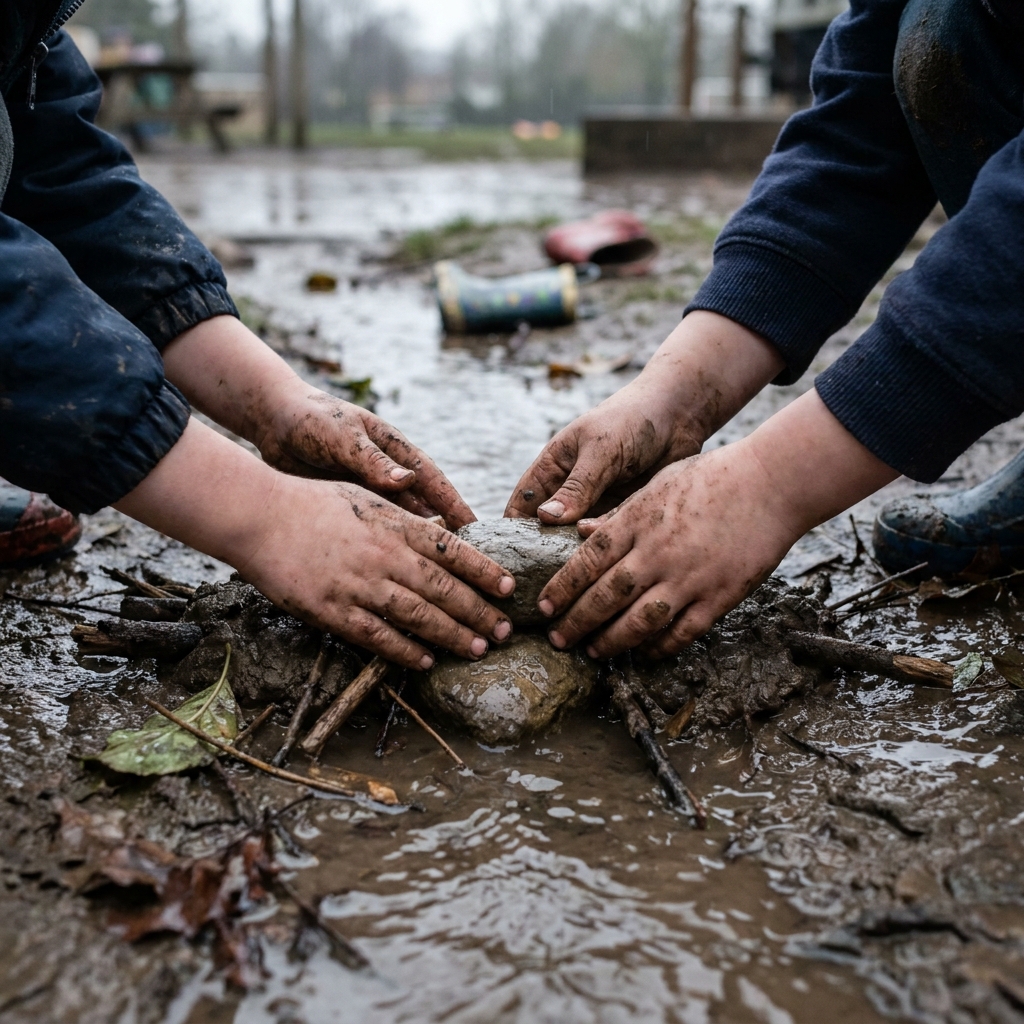
In a preschool classroom, group play is often the very first place children experience being part of a team. At three or four years old, they are still figuring out that other people have ideas, feelings, and favorite toys too. Sitting at a table with a shared bin of blocks or gathering on the carpet with one big puzzle invites them to practice this new understanding in real time. Instead of asking young children to share in abstract ways, group play lets them feel sharing with their hands, voices, and bodies. Over time, these small moments of taking turns and solving problems together become the roots of real cooperation.
From Mine to Ours: What Group Play Teaches Young Children
Preschoolers are naturally focused on their own needs, which can make sharing feel confusing or even scary at first. Group play gives them a safe place to experiment with the idea that a toy, space, or idea can belong to more than one person at a time. When a teacher invites everyone to build one tall tower instead of separate small ones, children see that working together changes what is possible. They begin to notice that another child can hold the same goal they do, like keeping the tower from falling or finishing the pretend picnic. Little by little, words like ours, team, and together become part of their everyday language.
As children move from side-by-side play into true group play, they also learn to read social cues. They start to recognize when a friend looks left out, frustrated, or excited about an idea and they adjust their own actions. This does not happen overnight, and it does not need to look perfect to be powerful for their growth. What matters is that they get many chances to try again in a setting where adults calmly guide the process. During these moments, teachers focus on guiding children to notice and respond to each other using simple, clear language such as:
- You both want a turn with the red truck. Let’s find a way to use it together.
- I see your friend waiting. What could we say to invite them into the game?
- You had an idea, and your friend had an idea. How can we mix both ideas?
Designing Simple Group Play That Sets Children Up to Cooperate
Thoughtful classroom design makes group play natural instead of forced or chaotic. Teachers set out materials that are meant for sharing, such as one large tub of blocks, a single dramatic play kitchen, or a big sheet of paper for group painting. By limiting certain items to one shared set rather than many duplicates, children are gently encouraged to gather, talk, and negotiate. Clear visuals, like picture labels and color-coded baskets, help them understand where materials go and what belongs together. When the environment quietly invites children to join in, teachers can focus more on coaching social skills and less on policing behavior.
Simple changes in routine also help children feel ready to be part of a group. Predictable times for small-group games, collaborative projects, and shared clean-up let them practice cooperation in short, repeated bursts. Over time, they learn what to expect from these moments and bring more self-control and patience to the experience. Teachers can start with very short group tasks and then gently increase the length as children gain confidence. Helpful types of group play to build into the day include:
- Shared building challenges, like creating one bridge or city with blocks together.
- Cooperative movement games, such as passing a ball around the circle without dropping it.
- Joint art projects, where several children paint or collage on one big surface.
Teacher Moves That Turn Small Conflicts into Big Learning
Any time several young children share the same materials, moments of conflict are normal and expected. In a strong preschool program, these bumps are not treated as failures but as valuable practice in problem-solving. Instead of stepping in only to stop arguments, teachers stay nearby during group play and listen for the first signs of tension. They model calm voices, give children neutral words for what is happening, and slow everyone down so thoughtful choices feel possible. This steady guidance helps children see that a disagreement does not mean the game has to end; it can simply shift and continue in a new way.
Teachers also model using simple steps to solve sharing problems that children can eventually copy on their own. They might help a child pause, name the problem, listen to a friend, and then choose from a couple of fair options. Over time, children learn that grown-ups will not always fix everything for them, but they will walk beside them while they learn to negotiate. This builds confidence as well as kindness, because children experience themselves as capable problem-solvers. In practice, these moments may sound like:
- First, tell your friend what you want. Then, listen to what they want.
- We can set a timer so you each get a turn and the game can keep going.
- Can we find a way for one friend to build and one friend to be the helper?
Building Early Academic Skills Inside Group Play
Group play is not a break from learning; it is one of the most powerful ways preschoolers prepare for kindergarten. When children work together on a puzzle, build a train track, or sort pretend groceries, they naturally use early math and thinking skills. They count pieces, compare sizes, talk about more and less, and test what fits and what does not. As they plan their shared play, they use language to explain ideas, ask questions, and sequence events, which supports early literacy. All of this happens while they are deeply engaged and motivated by the game, not by a worksheet.
Teachers can gently highlight these academic moments without interrupting the flow of play. A simple question or comment can invite children to notice the learning they are already doing together. This helps both children and parents see that cooperation and kindergarten readiness are growing at the same time. It also reassures families that play-based classrooms are purposeful, not random. During group play, teachers might say things like:
- How many blocks do we need so everyone on the team gets two?
- What should we do first, next, and last to finish our group project?
- Can you describe your team’s plan so we can write it down together?
Keeping Families in the Loop About Group Play Wins
Busy parents often wish they could peek into the classroom to see how their child behaves with peers. Clear, real-time communication about group play offers that peace of mind and builds trust in the preschool program. When teachers share short notes, photos, or end-of-day stories describing a child’s teamwork moment, parents see social growth they might otherwise miss. This could be as simple as highlighting that a child waited for a turn, comforted a friend, or contributed an idea to a group project. Over time, parents begin to link these updates to the bigger goal of raising children who can collaborate, listen, and lead.
Strong programs also explain the why behind their group play routines so families understand the purpose behind what they see. When parents know that a messy block corner or noisy circle-time game is actually a carefully planned lesson in sharing, they feel more confident about their choice of school. This kind of transparency helps align home and school expectations, which is especially comforting for working parents who cannot be present during the day. Families are more likely to support classroom practices when they understand them. To keep communication clear and supportive, teachers often share:
- Brief daily highlights of one cooperation skill the group practiced.
- Examples of specific phrases children are learning to use with friends.
- Simple suggestions for how to reinforce the same skill at home.
Easy Ways to Practice Sharing and Teamwork at Home
Parents do not need extra hours or special materials to support sharing and teamwork outside of school. Everyday routines can become quick, meaningful chances for children to practice being part of a team. Families can invite siblings or caregivers to join in small tasks, like putting toys away together or setting the table as a group. The goal is to frame these jobs as shared missions rather than solo chores, using language that emphasizes we and us. This makes cooperative behavior feel positive and connected instead of like one more demand at the end of a long day.
Short, playful group activities at home can mirror the skills children are practicing in preschool. These do not need to be complicated to be powerful, especially when adults stay calm and praise effort. Parents can describe exactly what they notice, such as you waited while your cousin had a turn, which helps children link their actions to real teamwork. If concerns about social behavior or frequent conflict arise, families can always reach out to their child’s teacher or a pediatric professional for guidance. Simple home ideas that build sharing and cooperation include:
- Playing board games or matching games where children must wait, take turns, and cheer for others.
- Working together to build one structure with blocks or household items instead of separate ones.
- Using family clean-up races, where everyone has a small role in reaching one shared finish line.