
When Learning Feels Like Play, Growth Finds Its Own Rhythm
In preschool, every child brings a unique rhythm to learning, and playful experiences honor that natural pace. When activities feel like play, children lean in willingly instead of being pushed from behind. This creates a classroom climate where trying, failing, and trying again feel safe and even exciting. Educators can then notice each child’s timing without comparing them to the child beside them. The focus shifts from rushing to reach a milestone to nurturing joyful, steady growth.
- Play invites children to return to skills again and again at their own speed.
- A playful atmosphere helps reduce pressure on children, families, and educators.
- Learning feels meaningful when children see it as part of their everyday fun.
Every child blossoms at their own pace when learning is woven into games, materials, and conversations they already love. Instead of racing through checklists, teachers can design days that feel like rich, unfolding stories. Children who need more time are not left behind; they are given space to linger and explore. Children who move quickly are not held back; they can dive deeper and expand their ideas. In this way, play becomes the shared language that meets each child exactly where they are.
- Playful learning respects both cautious observers and bold experimenters.
- Children can revisit interests over many days, strengthening confidence.
- Growth is seen in persistence, curiosity, and increasing independence.
Reframing “On Track” as “In Bloom”
Preschool educators are often handed charts and timelines that suggest one “right” pace for development. In reality, children bloom like a diverse garden, with early, late, and right-on-time blossoms all thriving together. Viewing progress through a playful lens allows teachers to see more than dates and ages; they see patterns of engagement. A child might speak later than peers but show remarkable problem-solving in a building area. Another may need time to warm up socially but quickly take the lead in a favorite activity.
- Replace rigid expectations with flexible ranges of typical development.
- Look for strengths in how children approach play, not only outcomes.
- Celebrate small, consistent steps as signs of healthy growth.
Framing learning as “in bloom” reassures families and educators that slower is not lesser. Children who appear to be taking their time may actually be gathering confidence and understanding beneath the surface. Play offers endless low-stress chances to test new skills when they are ready. Instead of pressing a child to catch up, teachers can enrich the play around them with gentle invitations. Over time, these steady, playful nudges help each child move forward in a way that feels natural.
- Use language like “still growing” rather than “behind” with families.
- Share observations that highlight effort, focus, and persistence.
- Document growth over weeks and months to show gradual change.
Setting Up Play Spaces That Welcome Many Paces
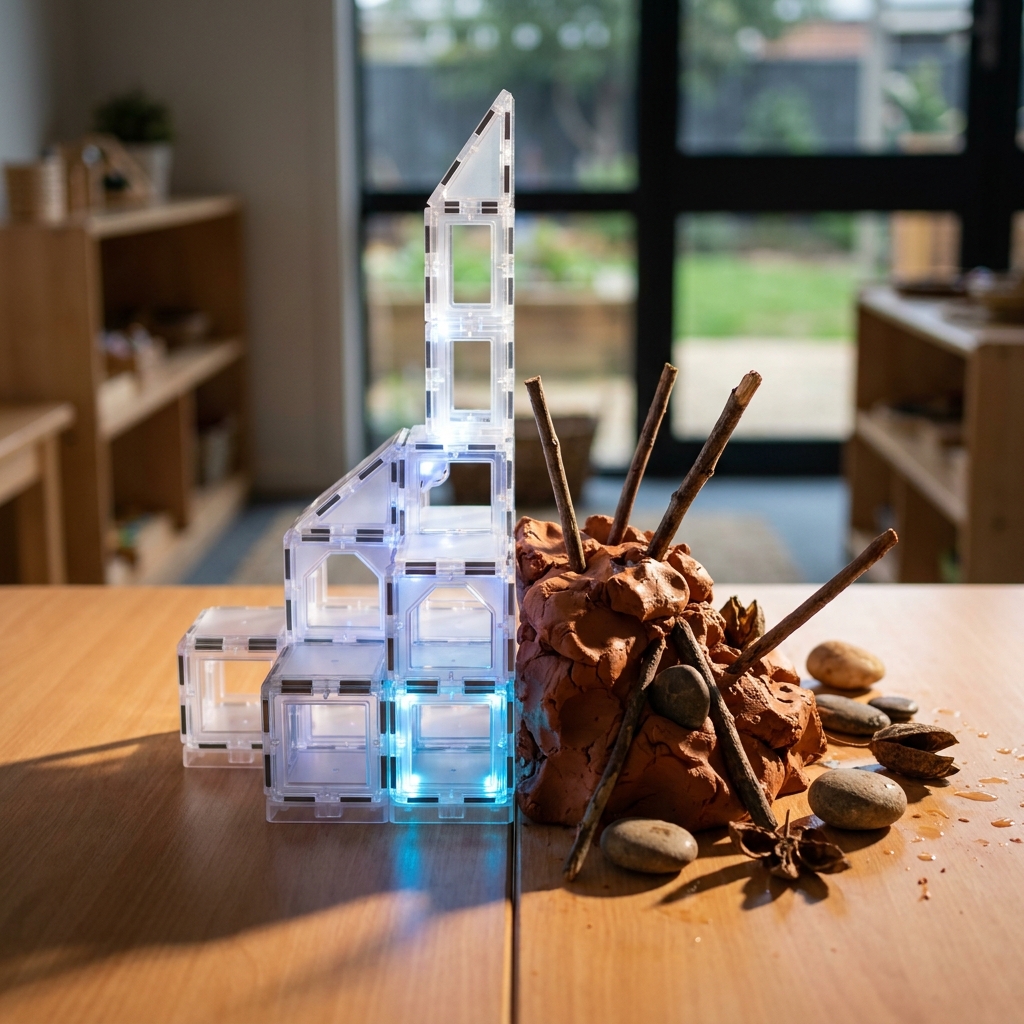
A classroom that supports many learning speeds offers both calm corners and energizing challenges. Materials are open-ended enough that beginners and experts can use the same items differently. For example, a simple set of blocks might be used for stacking, sorting, or creating detailed structures depending on the child’s readiness. When spaces are thoughtfully arranged, no one needs a separate activity to feel capable. Everyone can enter at their own level and still feel successful.
- Include quiet areas where children can observe before joining in.
- Offer materials that can be used in more than one “right” way.
- Rotate options slowly so children can return and deepen their play.
Designing for multiple paces also means removing unnecessary time pressure. Long, predictable play periods give children enough time to start, struggle, and finish in their own way. They do not have to abandon a project just as they become deeply engaged. Teachers can then watch how each child chooses to use that time, noticing patterns of persistence or hesitation. These insights guide future planning far better than rushing through many short activities.
- Plan generous uninterrupted play blocks rather than many quick transitions.
- Allow children to save or revisit ongoing projects when possible.
- Arrange materials so children can access and clean up independently.
Watching Closely: What Pace Looks Like in Play
Knowing that every child has a personal pace is helpful, but noticing it in action requires careful observation. During play, some children dive in immediately, while others circle the area before joining. Some use new materials boldly; others watch a peer demonstrate several times. These patterns show how comfortable each child feels with challenge, change, and social risk. When teachers observe without rushing to intervene, they learn when to step in and when to give more time.
- Observe how long children stay with an activity before switching.
- Notice whether they prefer to watch, copy, or invent their own ideas.
- Track which peers they choose to play near or with most often.
Observation also reveals which children need help stretching their pace in either direction. A cautious child might benefit from gentle encouragement to try a new role or material. A fast-moving child might need reminders to slow down and notice details or peers’ ideas. These adjustments are easier to make within play, where stakes feel low and fun remains the focus. Over time, children learn that it is safe to pause, think, and try again without being compared.
- Use brief notes or photos to record meaningful play moments.
- Reflect after class on patterns you see across several days.
- Plan small changes in the environment based on these insights.
Gently Stretching Skills Through Playful Next Steps
Respecting individual pace does not mean leaving children where they are; it means starting there. Play provides natural openings for teachers to add just-right challenges without turning fun into pressure. A child carefully lining up cars might be invited to create a simple roadway or parking area. Another child telling a favorite story with figures might be offered props to expand the scene. These small additions build skills while keeping the child happily engaged.
- Add one new material at a time near a child’s favorite activity.
- Pose open questions that invite thinking without demanding one answer.
- Offer choices so children can accept or decline added challenges.
Gently stretching skills also means honoring when a child says “not yet” with their body or words. If an invitation feels too big, teachers can scale it back, model it, or simply wait. A respectful response shows children that their pace is trusted, which often leads to more risk-taking later. Over time, these many small steps add up to noticeable growth in confidence and competence. Children learn that new skills emerge from play, not from pressure.
- Watch for signs of stress, such as withdrawal or frustration.
- Adjust expectations in the moment if an activity feels overwhelming.
- Revisit similar challenges later when readiness has increased.
Talking with Families About Pace and Play
Families often carry strong worries about whether their child is “ahead” or “behind.” When educators frame progress around playful learning, they can offer a calmer picture. Sharing stories from play brings each child’s strengths and pace to life. Instead of listing only skills gained, teachers can describe how a child stays with a task or invites others to join. These rich examples help families see growth they might miss at home.
- Use specific play moments to explain emerging abilities.
- Highlight how their child approaches challenges, not just outcomes.
- Reassure families that varied timelines can still be healthy.
Conversations about pace are most helpful when families feel like partners. Teachers can invite caregivers to share what play looks like at home and when their child seems most engaged. Comparing these experiences gives a fuller view of the child’s rhythm across settings. Together, families and educators can choose playful strategies that support growth both in the classroom and at home. This shared understanding reduces anxiety and builds trust around the idea that learning unfolds over time.
- Ask families about their child’s favorite games and activities.
- Offer simple play ideas that connect school themes with home life.
- Provide updates that focus on progress rather than comparison.
Rethinking Progress: Documenting Growth Through Play
When learning feels like play, traditional checklists may not capture the full story. Documenting progress through photos, brief notes, and children’s own words creates a more accurate picture. Educators can gather evidence of how a child’s play becomes more complex, social, or coordinated over time. These artifacts show that growth is not only about what children can do once, but what they choose to repeat. Carefully reviewing this documentation reveals steady shifts that may be easy to overlook daily.
- Collect samples of children’s creations over weeks and months.
- Record short quotes that show changing thinking and language.
- Use photo sequences to highlight increasing independence.
This way of tracking progress supports the belief that every child blossoms at their own pace. It honors the slow builders, the sudden leapers, and everyone in between. By sharing these records with families and colleagues, teachers can advocate for play as a serious path to learning. The message becomes clear: joyful engagement and personal timing are not obstacles to success; they are foundations of it. In a pace-perfect preschool, play is both the method and the measure of meaningful growth.
- Review documentation regularly to adjust plans thoughtfully.
- Share displays that celebrate process as much as finished work.
- Use observations to ensure each child’s pace is seen and supported.